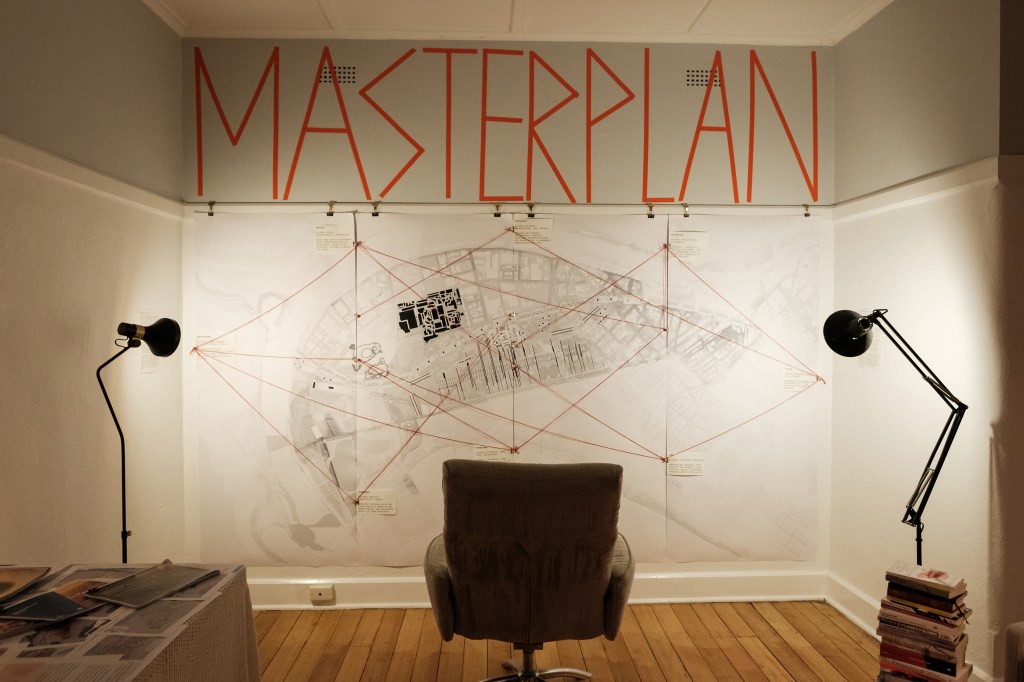
Urban research project and exhibition presented at Melbourne Design Week 2024. Undertaken with Gabriela Amstalden Martins as part of RMIT’s research elective program.
Press:
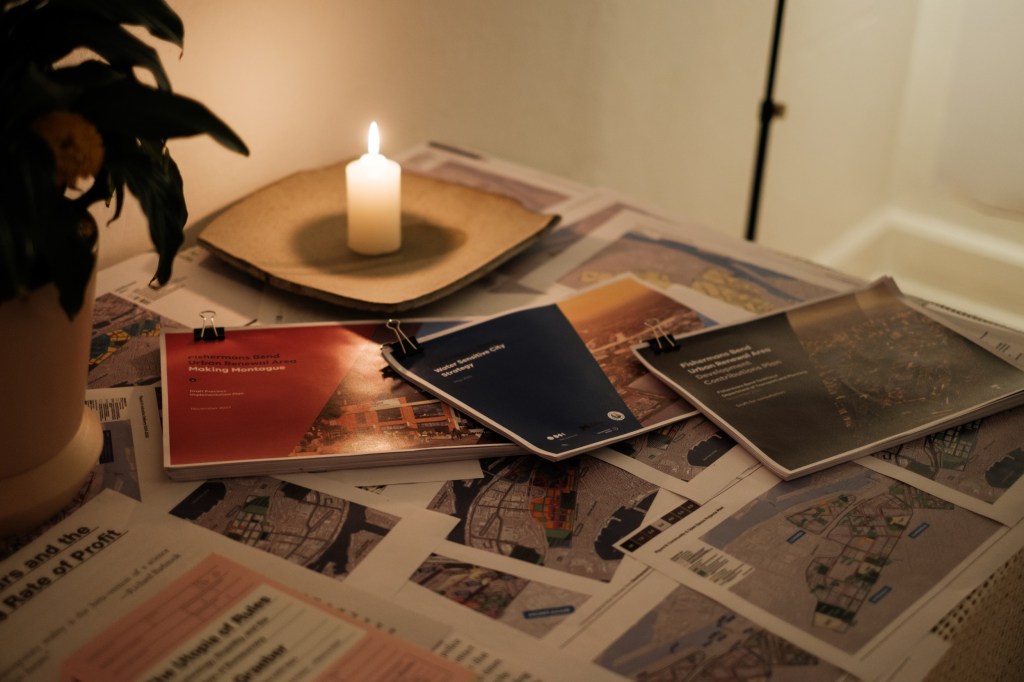
Barely a decade ago, Fishermans Bend was the most hyped urban development project in Melbourne and the largest in Australian history. In spite of its sudden and suspicious creation in 2012 by former planning minister Matthew Guy; architects, planners and consultants eagerly sought a piece of the undertaking. Governments have framed the enormous ‘urban renewal’ as a remedy for national problems like housing affordability and advanced manufacturing. A long chain of master plans, vision and strategy documents have been commissioned, published and promoted, with best practice and good intentions aplenty. However even a cursory trip to the precinct reveals that not nearly as much has been developed as was hoped and hyped. Something Killed Fishermans Bend.
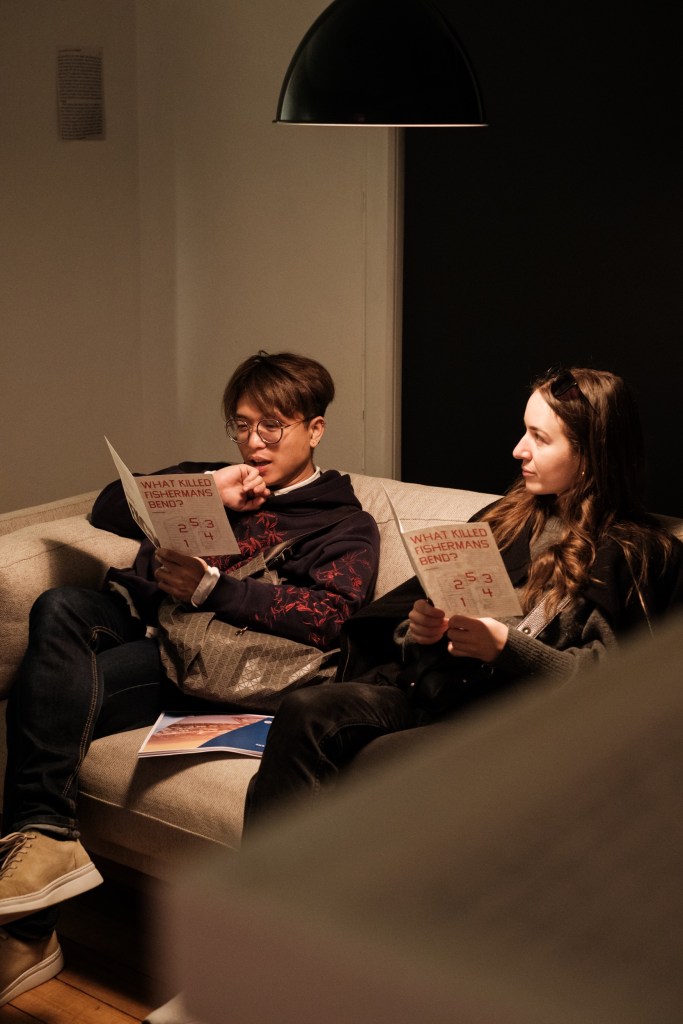
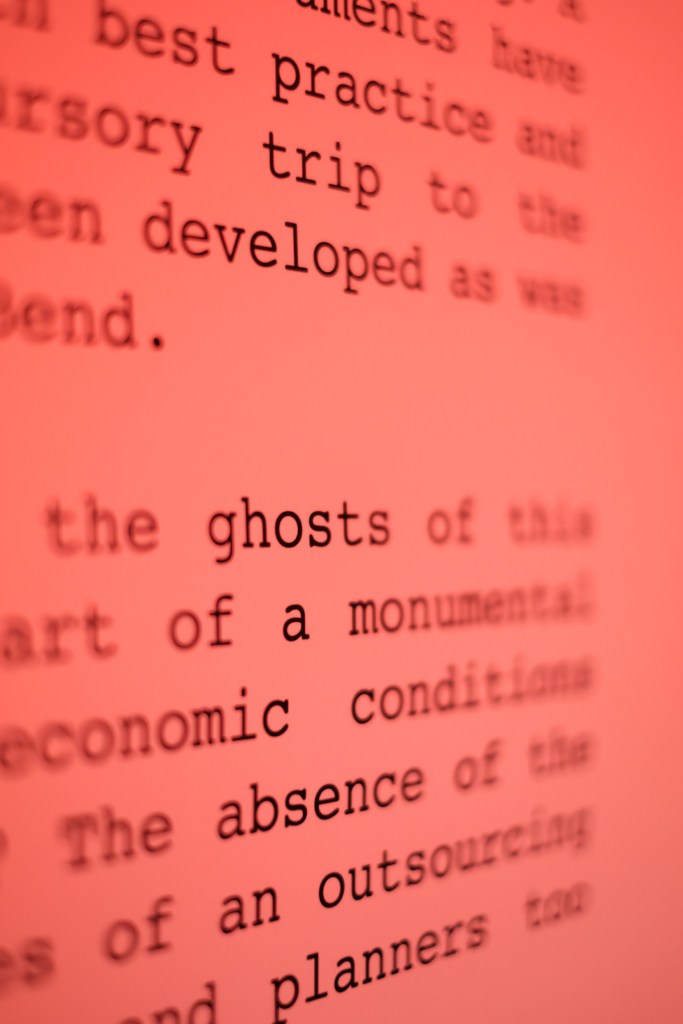
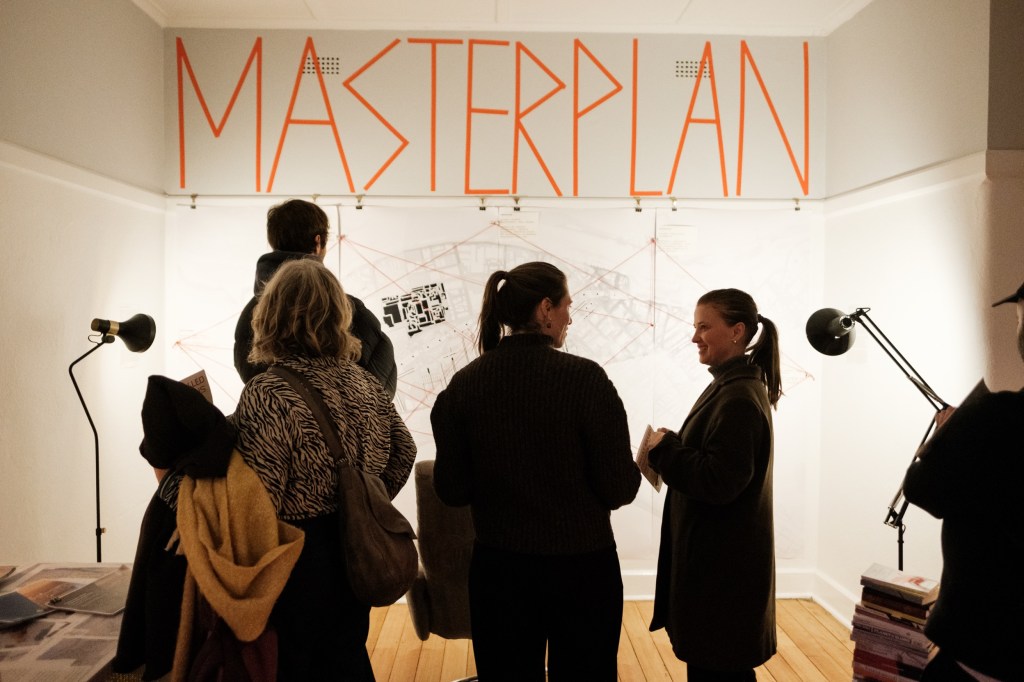
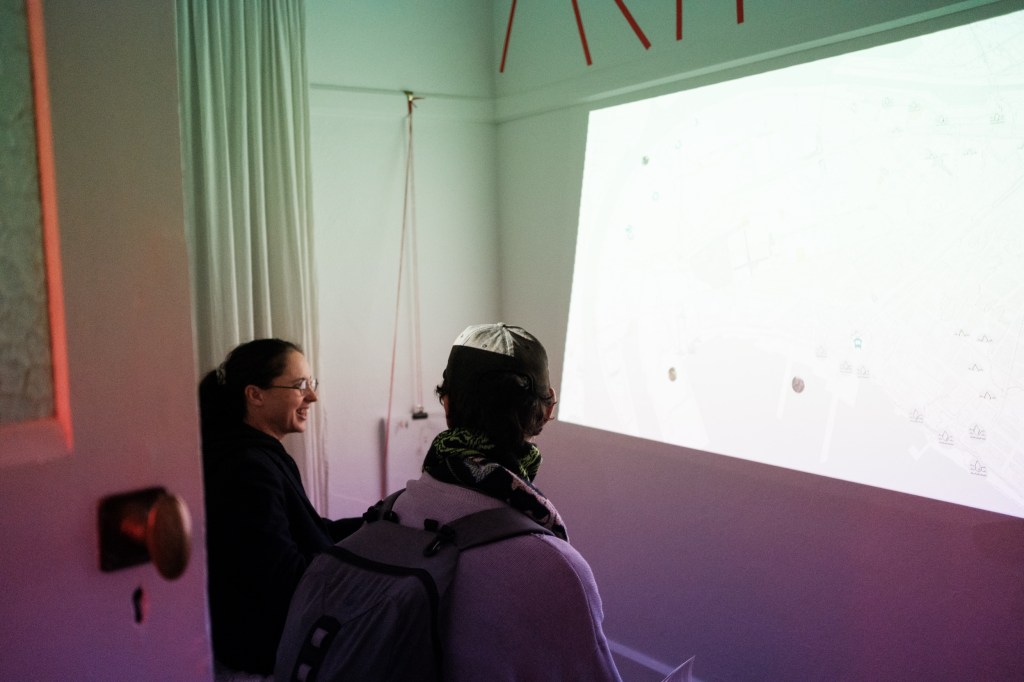
This exhibition upturns the stones and prods the ghosts of this fresh mystery to find out what is at the heart of a monumental development failure. Was it the hostile economic conditions created by the inept and/or corrupt rezoning? The absence of the promised tram from the CBD? The inefficiencies of an outsourcing and short termist bureaucracy? Are designers and planners too naïve about how development really works?
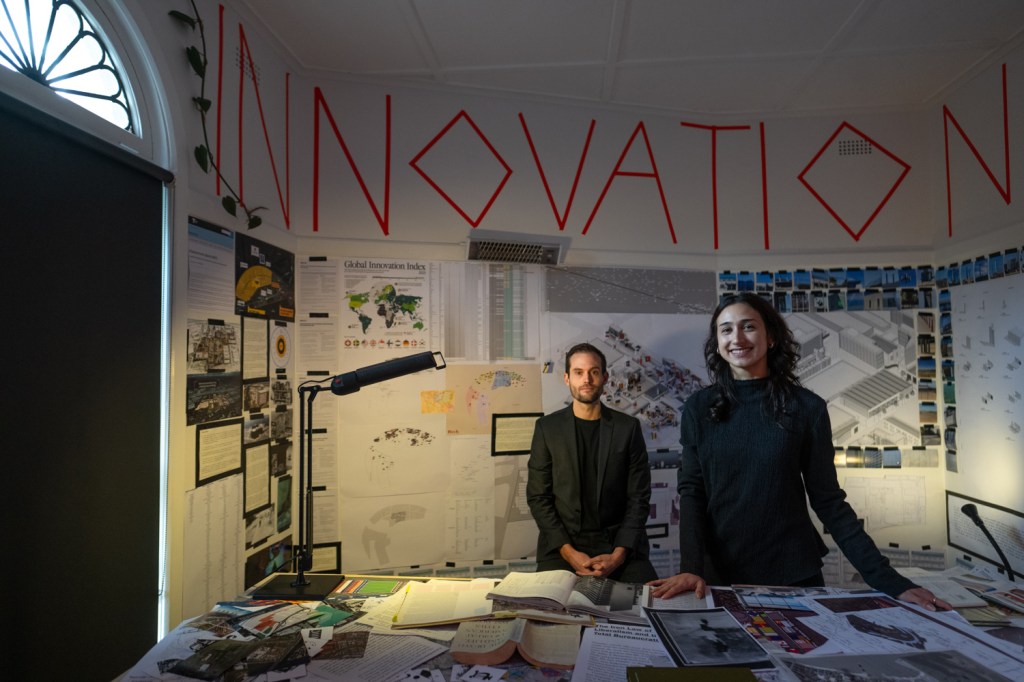
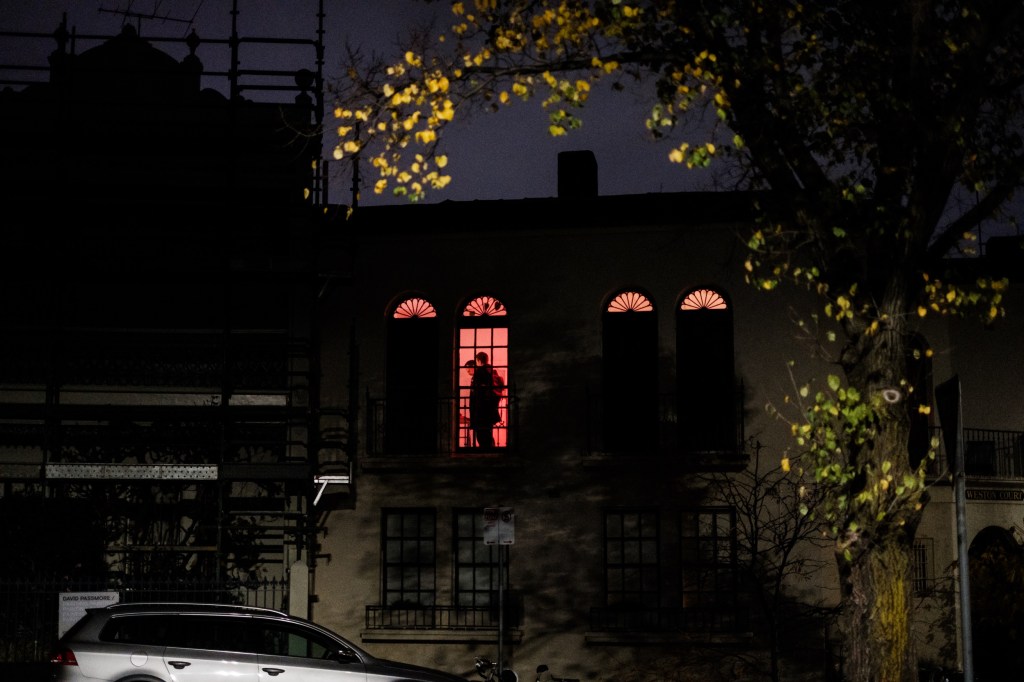
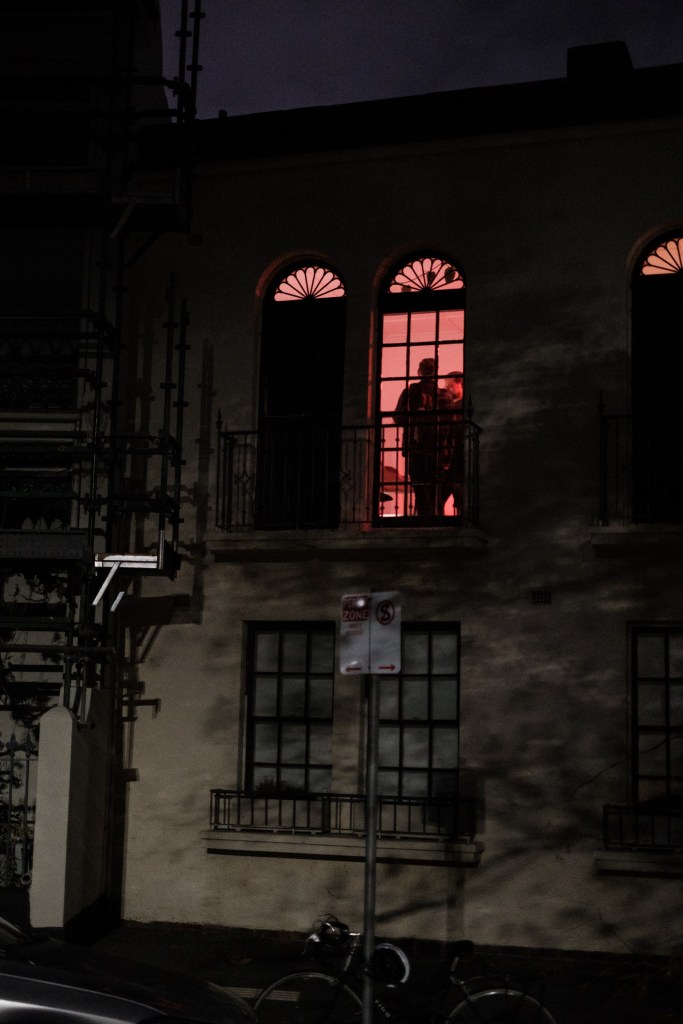
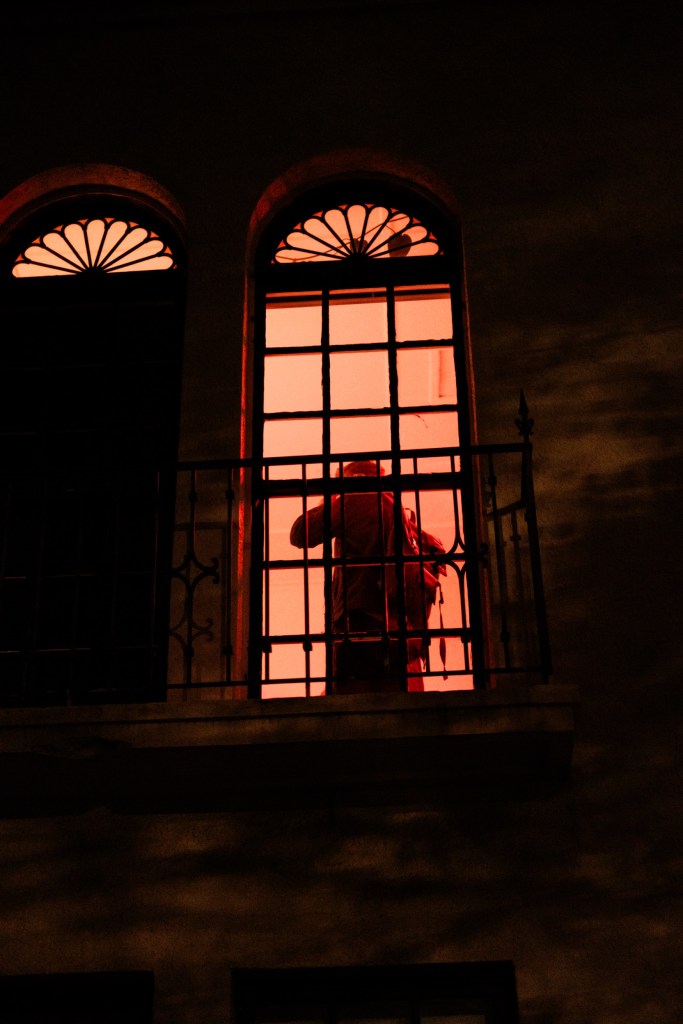
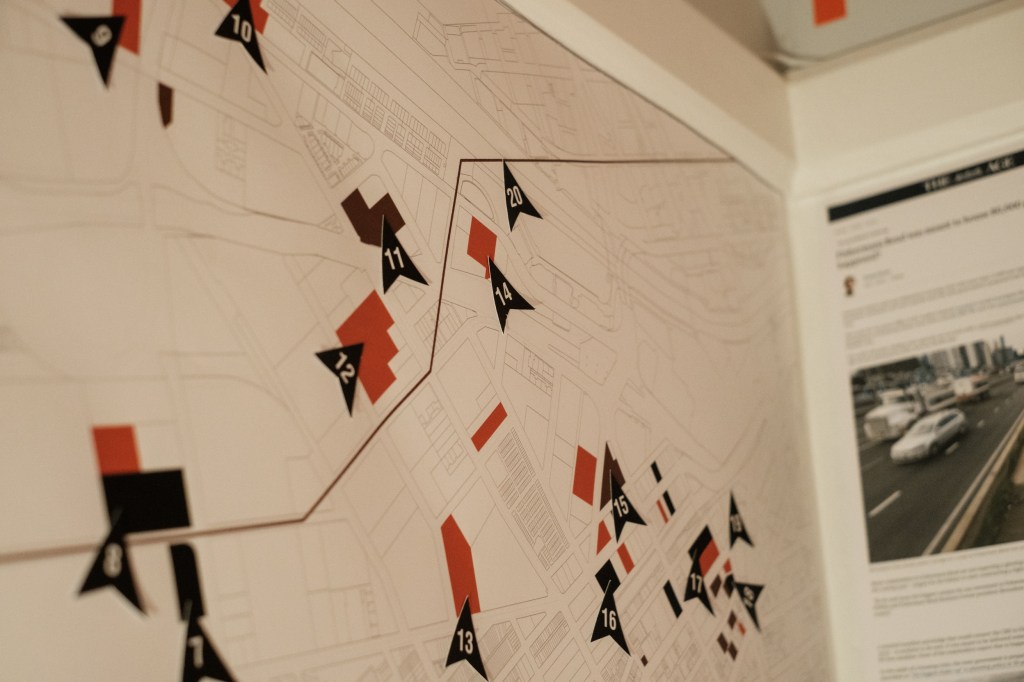
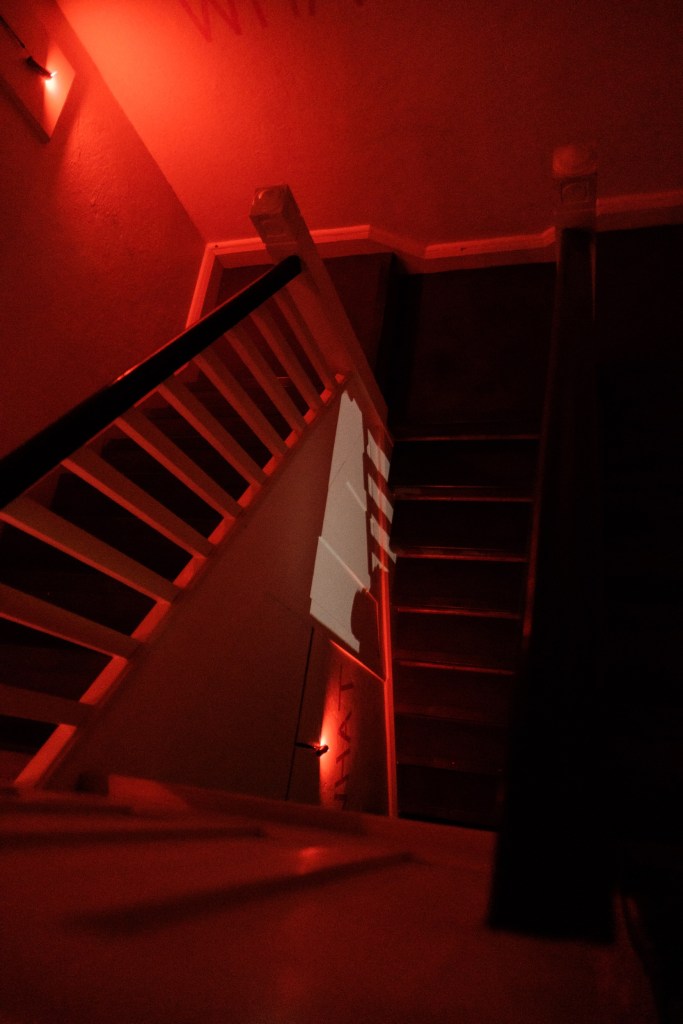
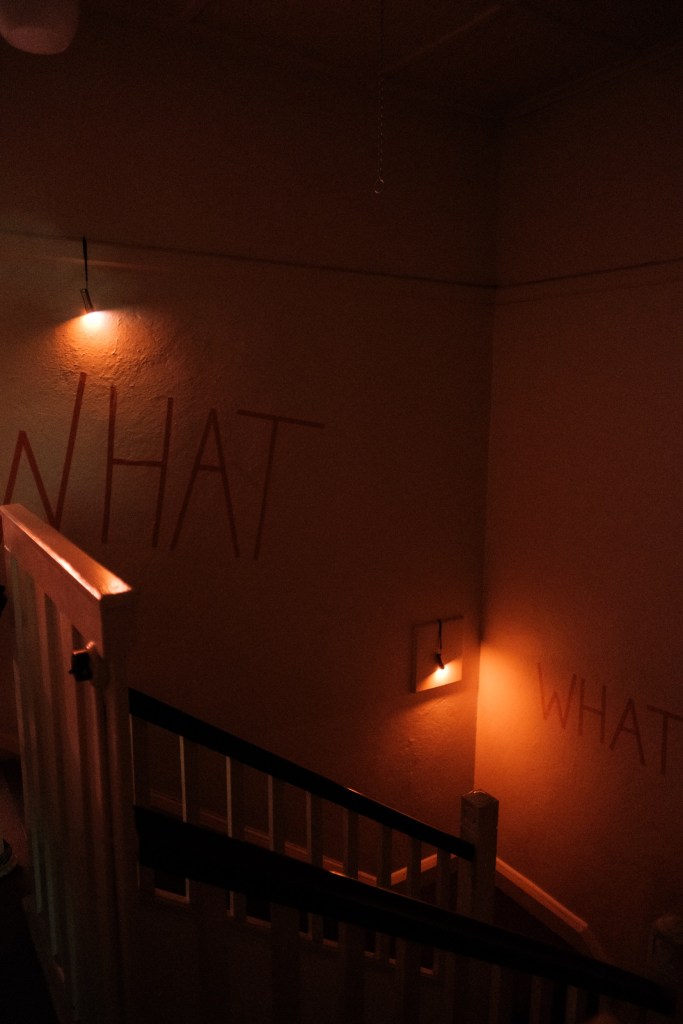
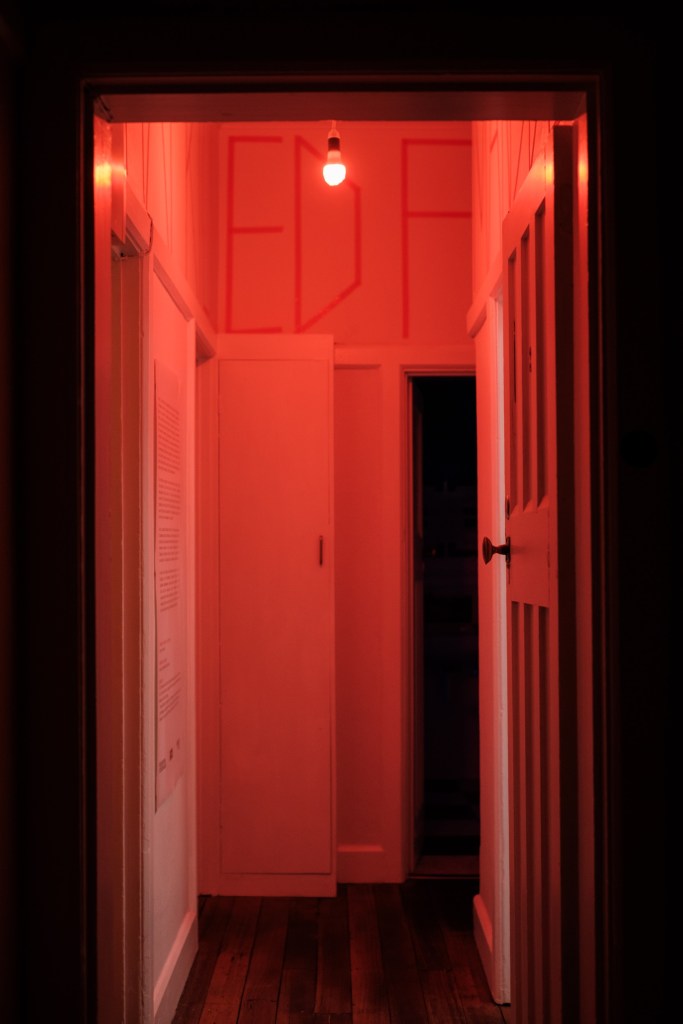
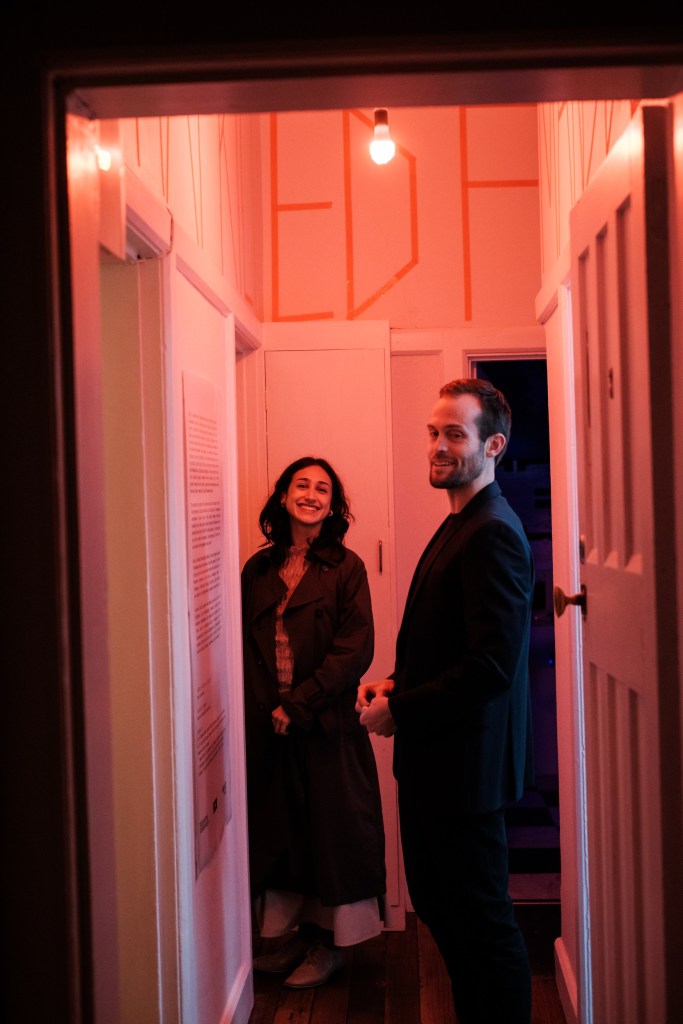
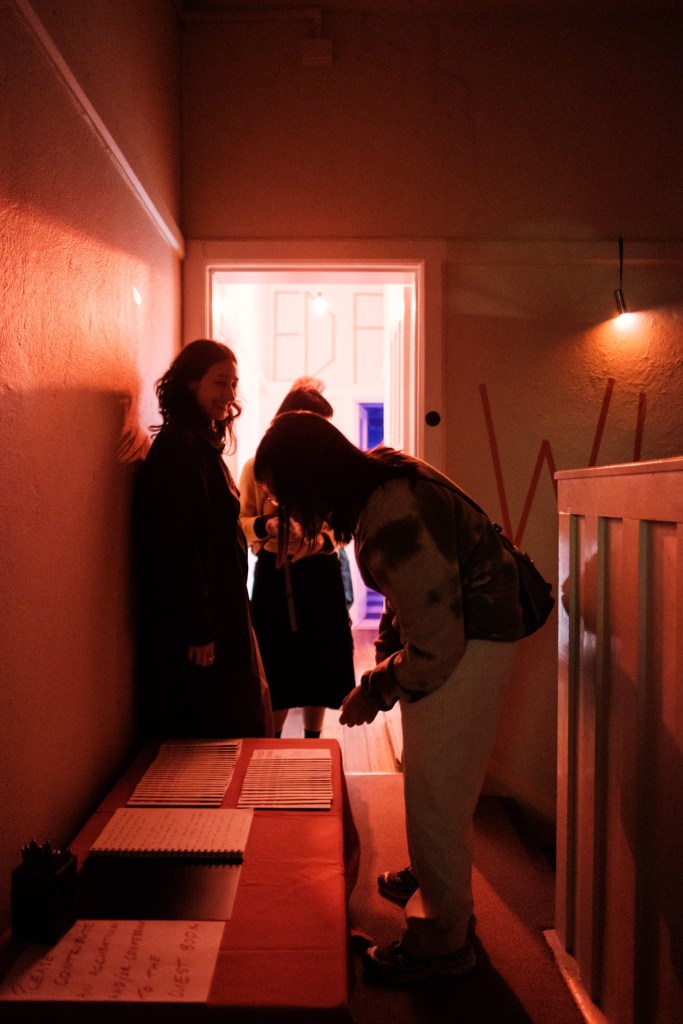
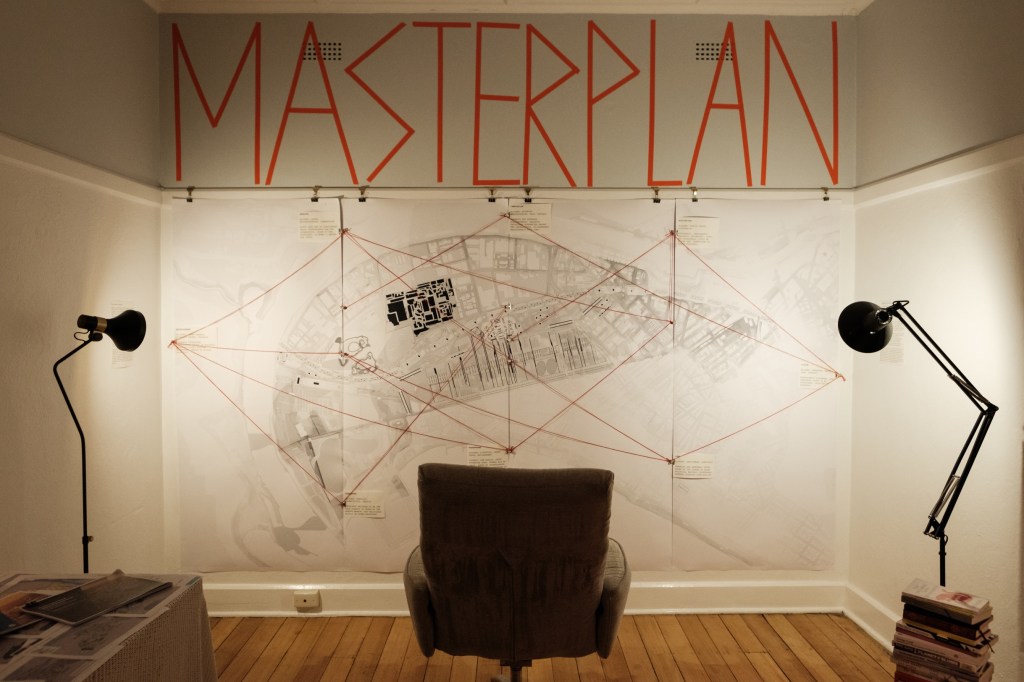
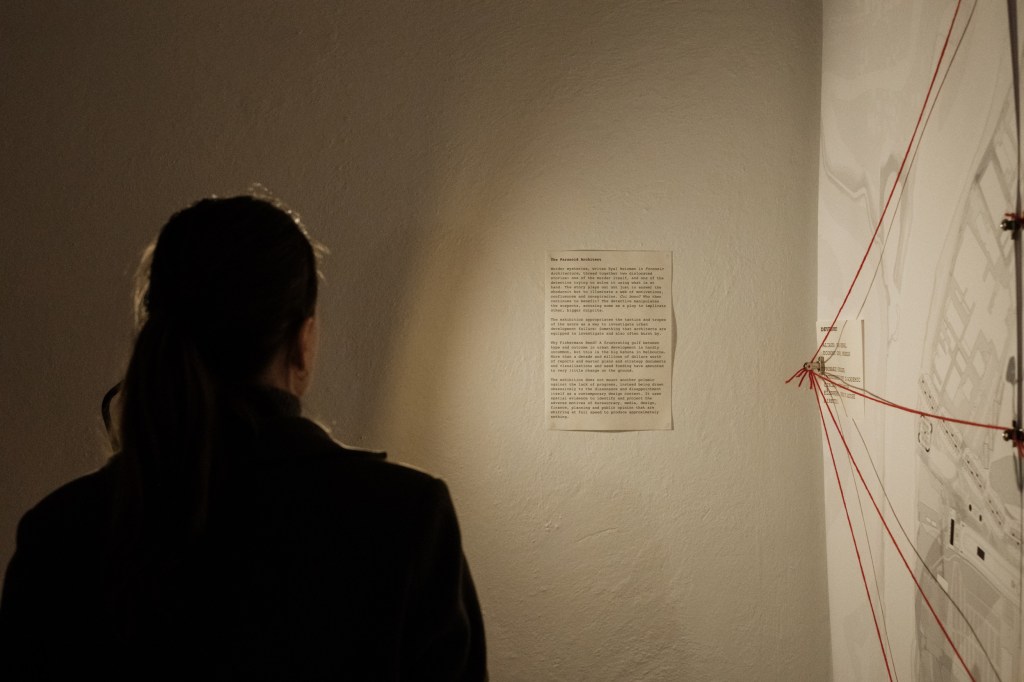
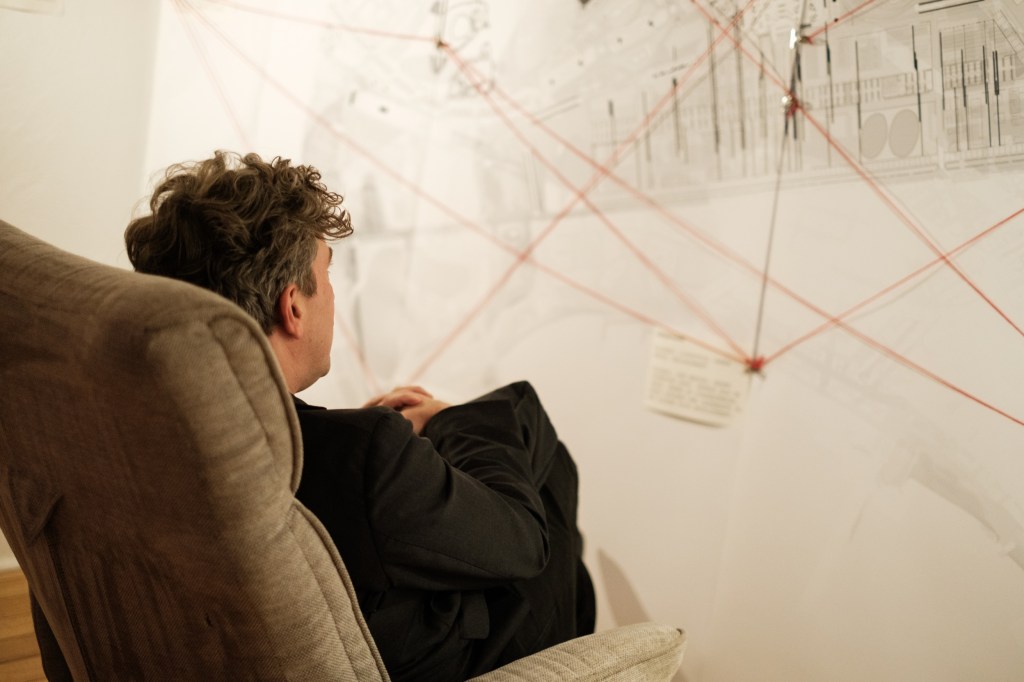
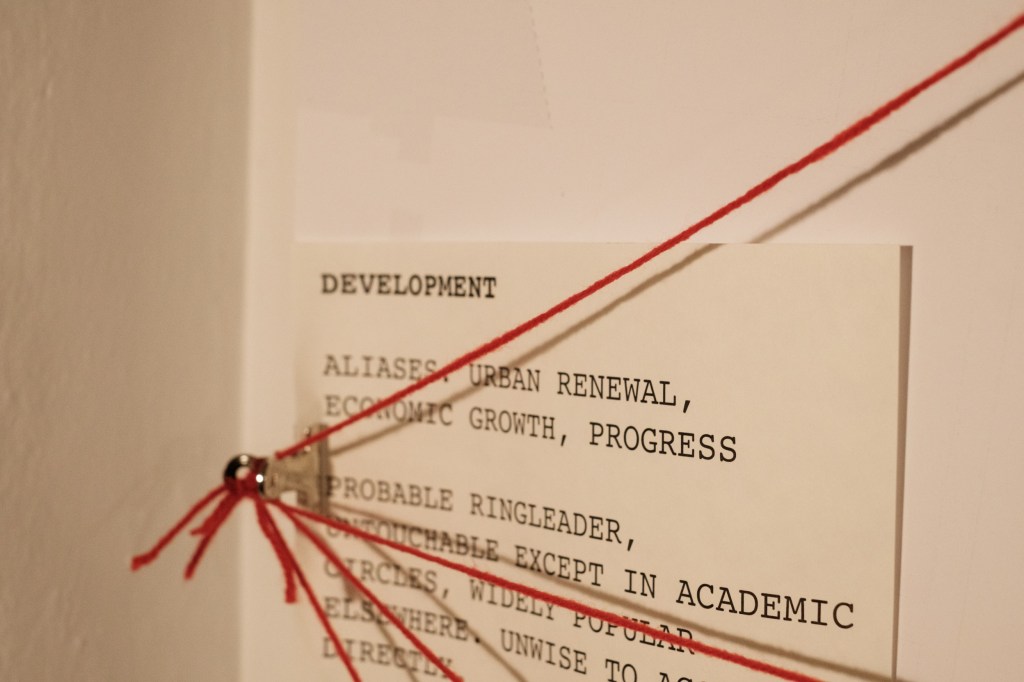
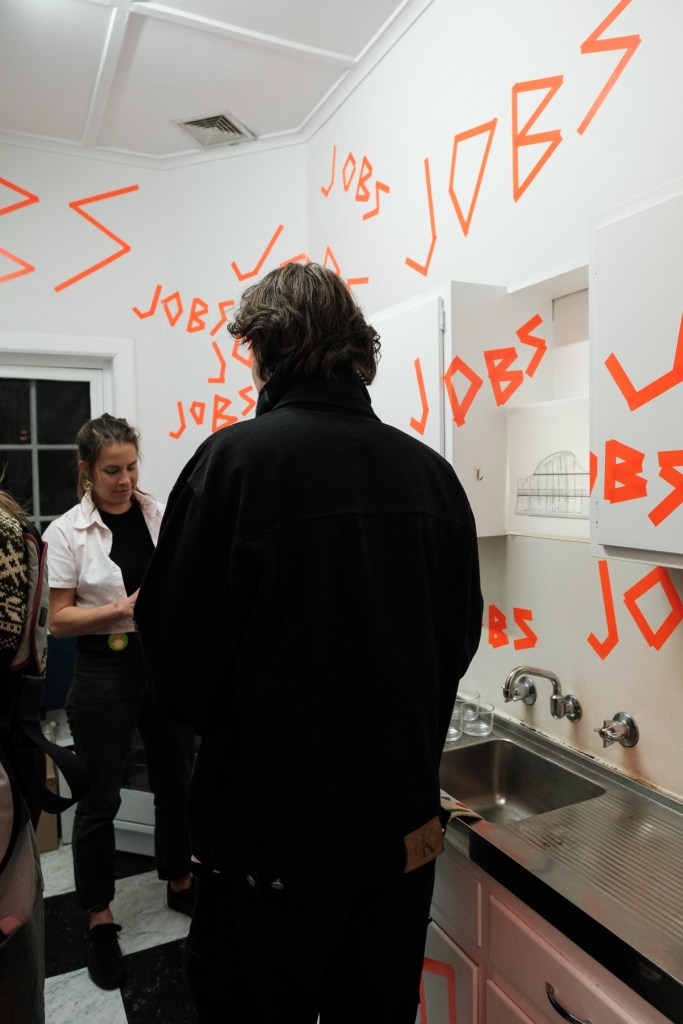
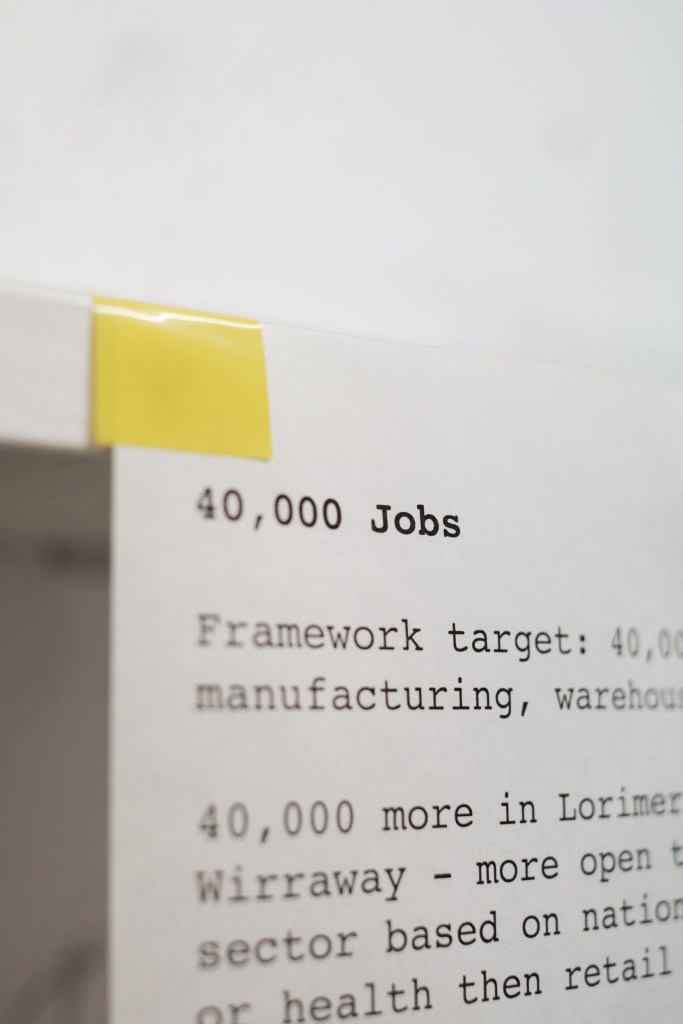
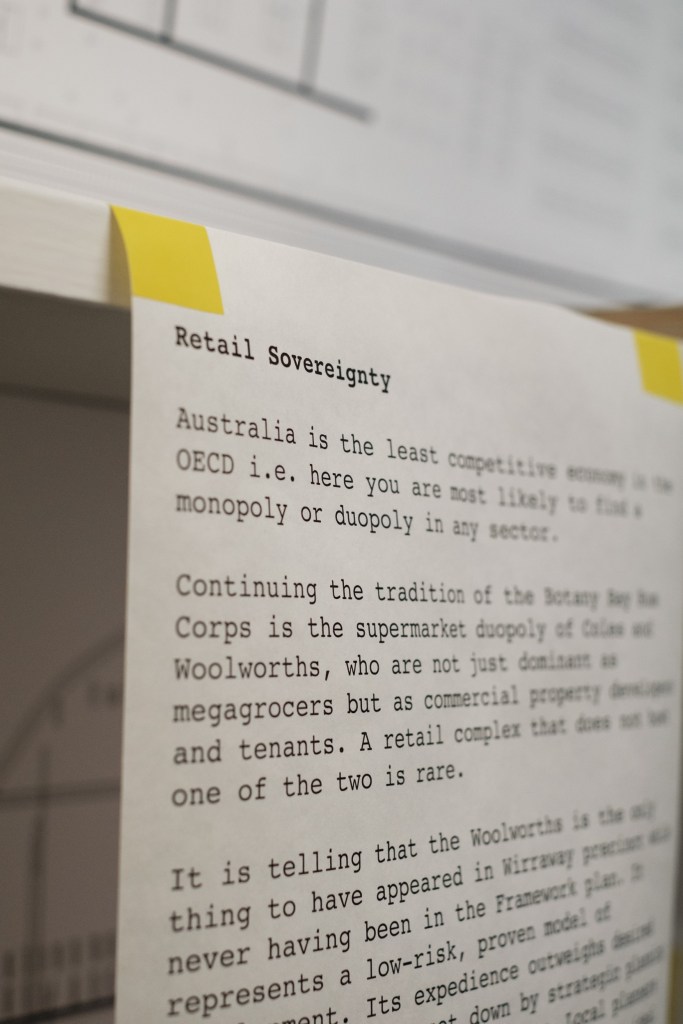
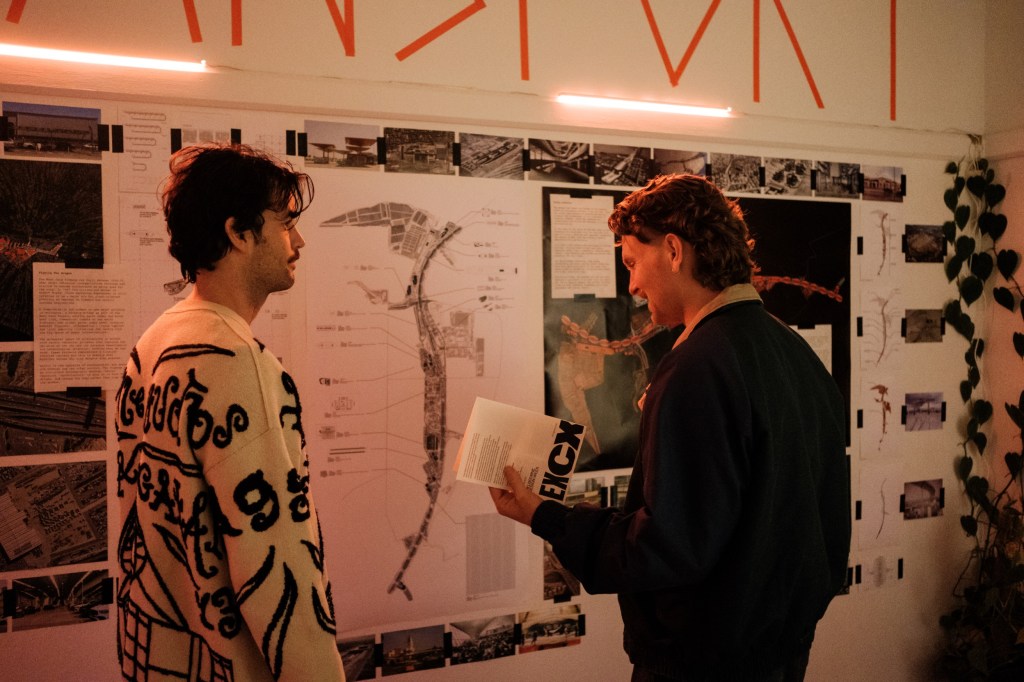
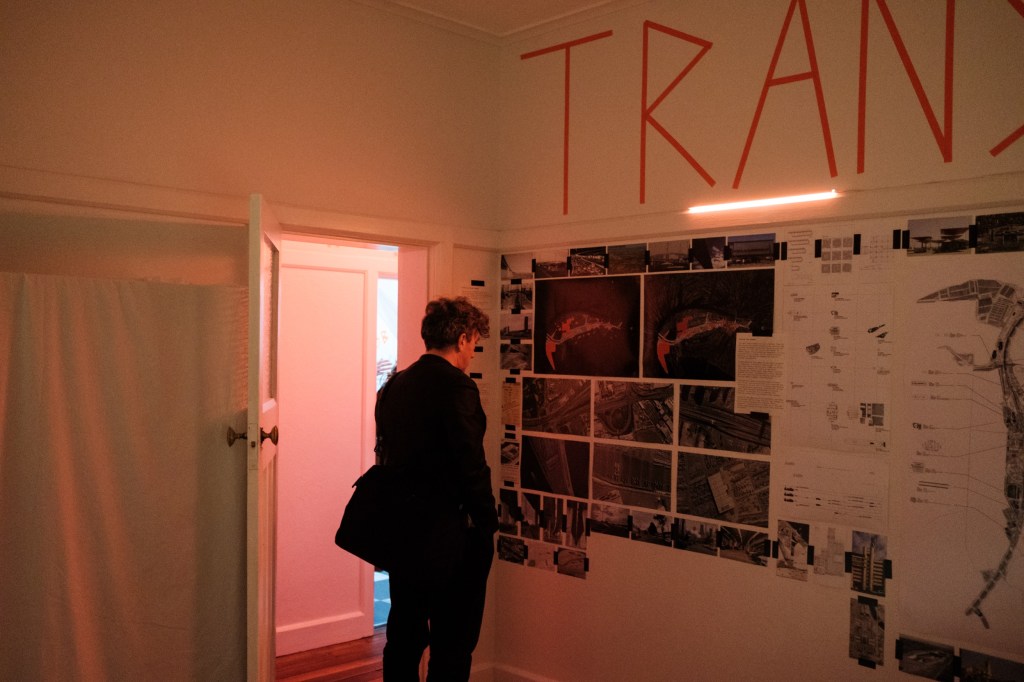
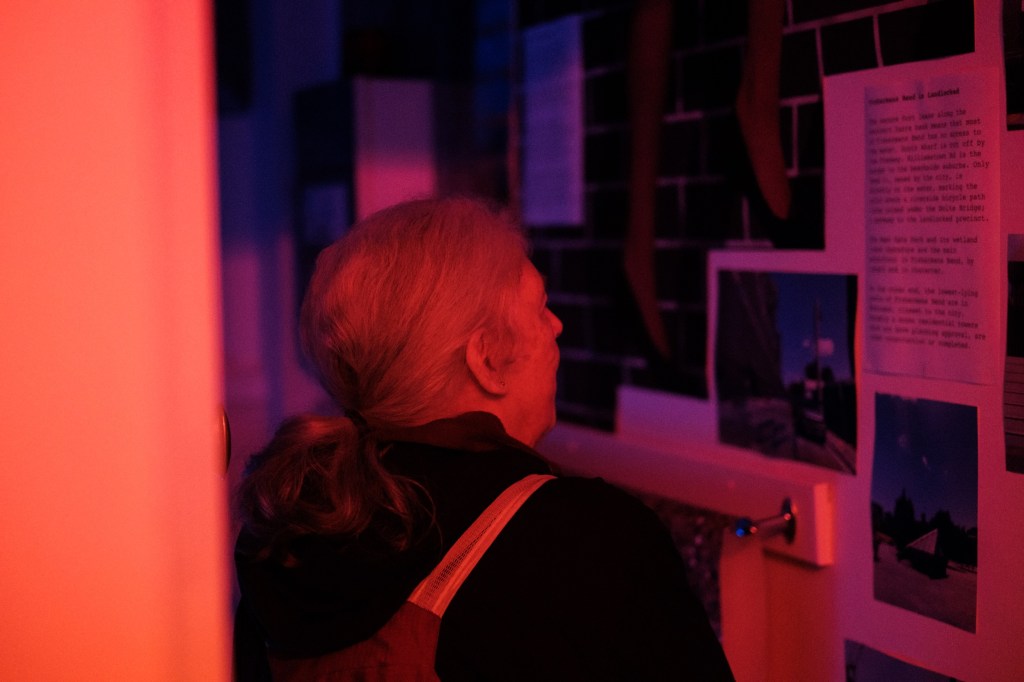
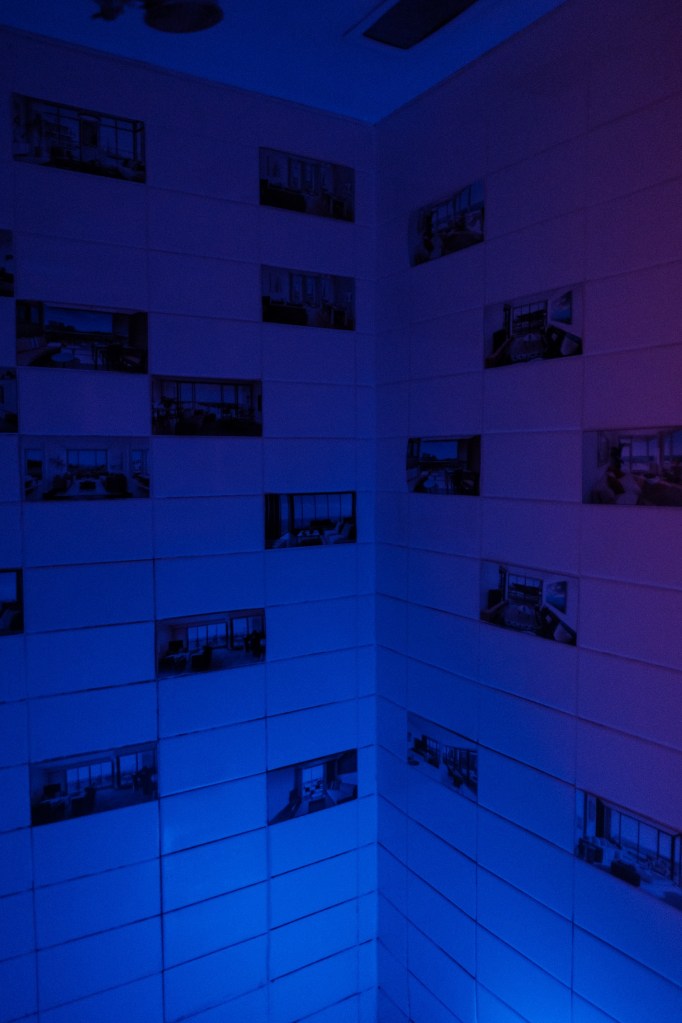
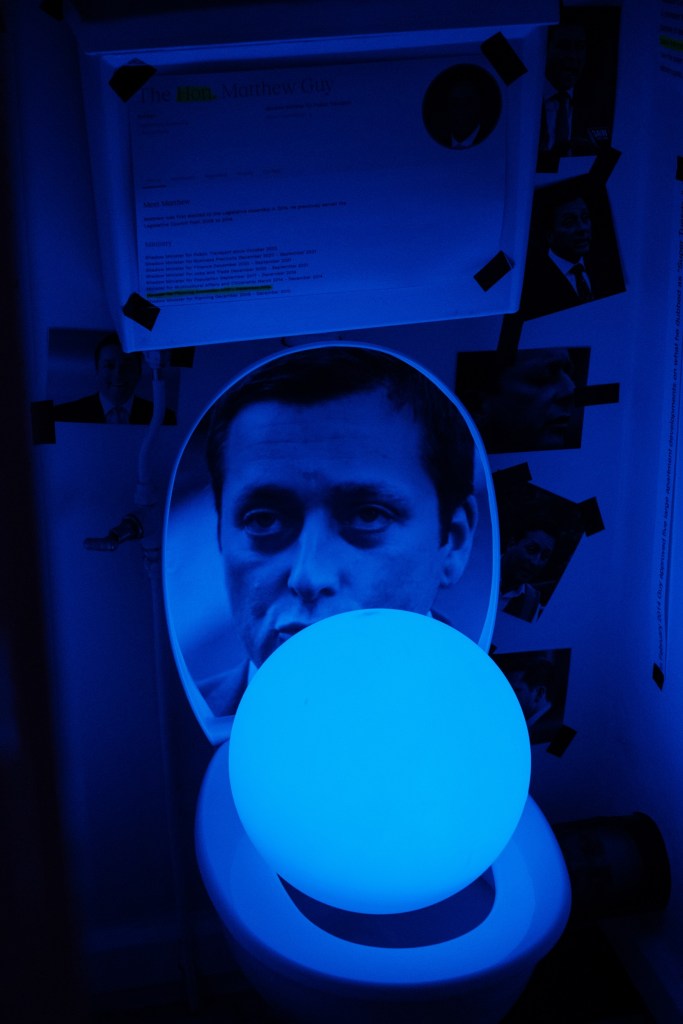
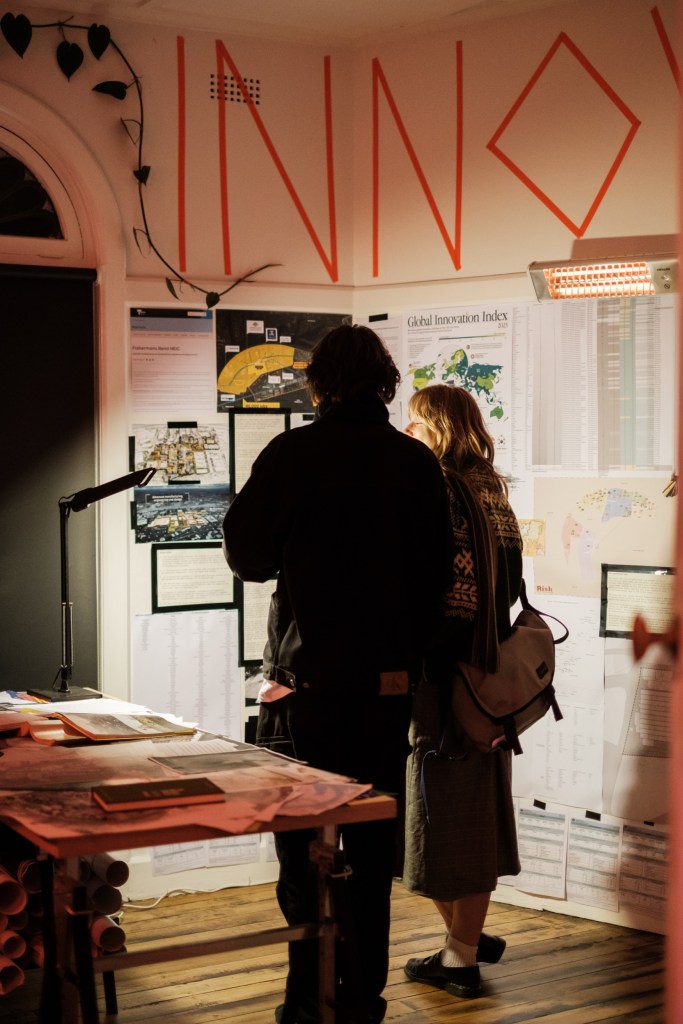
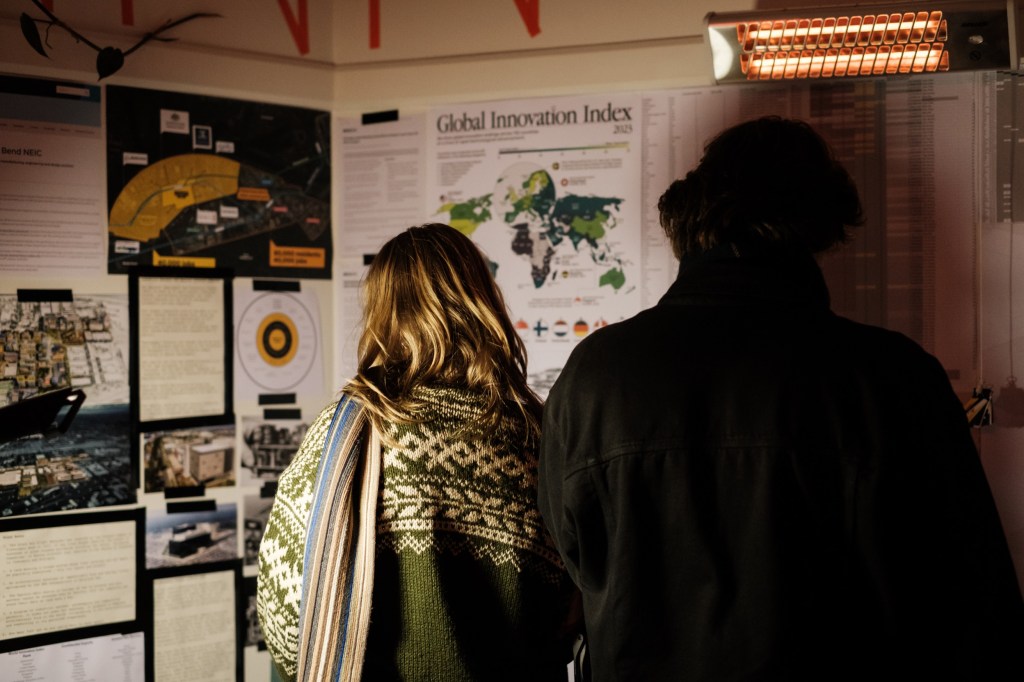
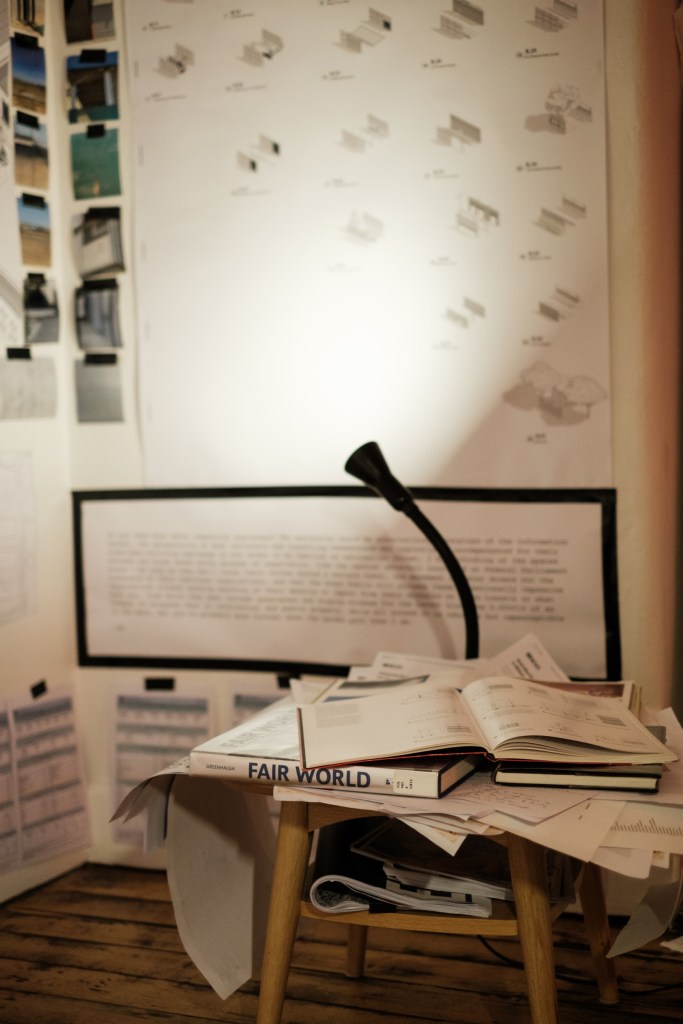
Using a paranoid whodunnit method, the main buzzwords promoting Fishermans Bend are treated as the prime suspects in its murder; starting with clues about where stated good intentions don’t match observed outcomes on the ground. Development, Master Plan, Transport, Innovation, Housing, Activation, Jobs and Waterfront are subject to interrogations in separate rooms of Weston Court.
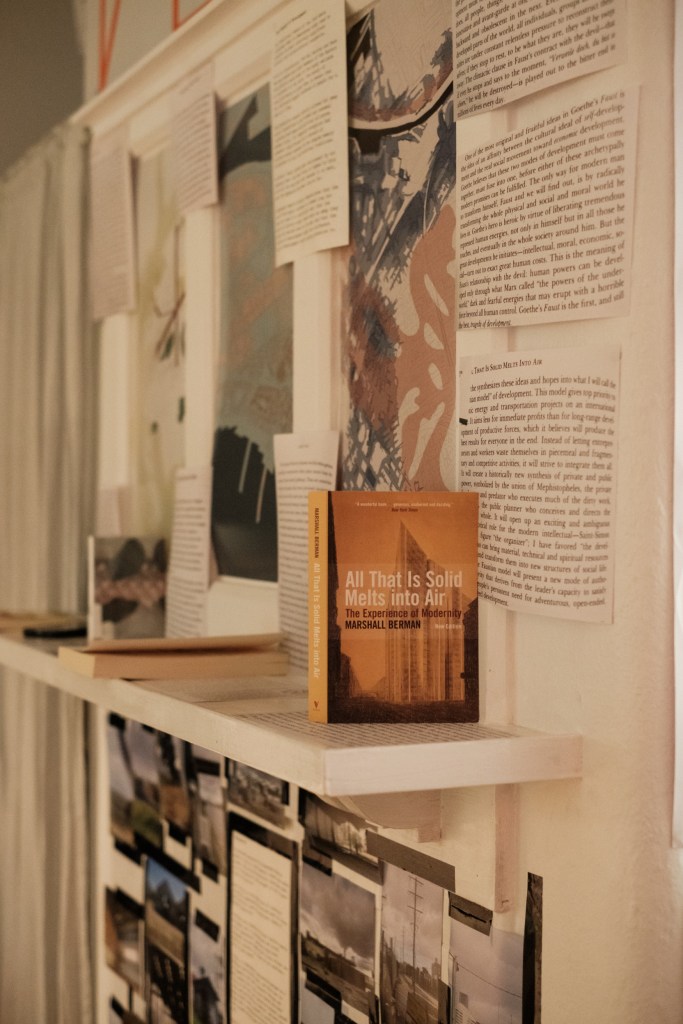
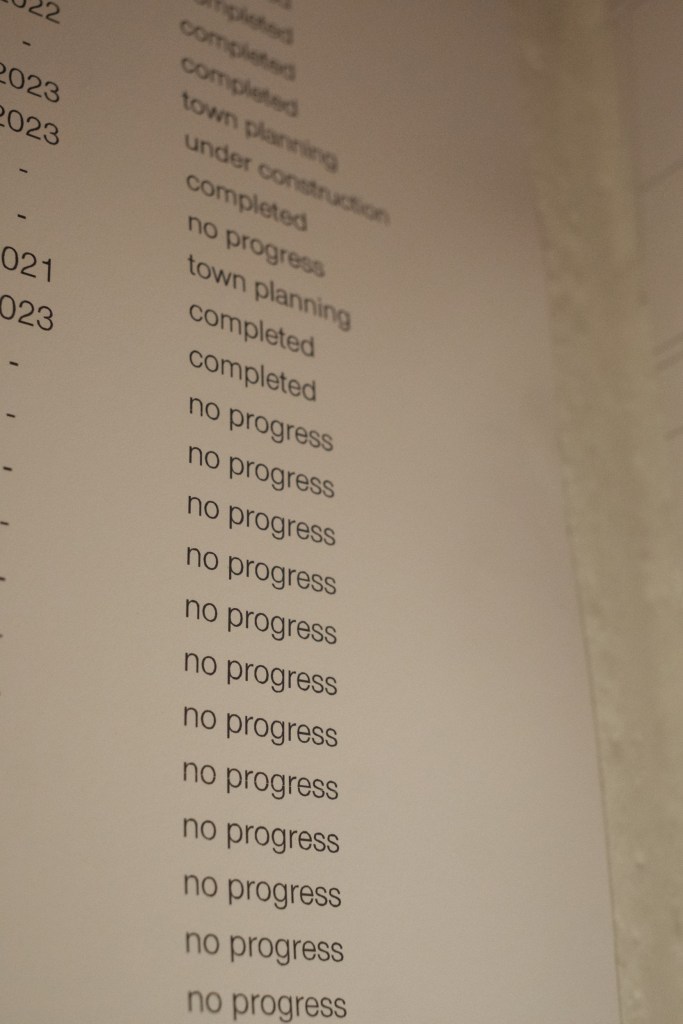
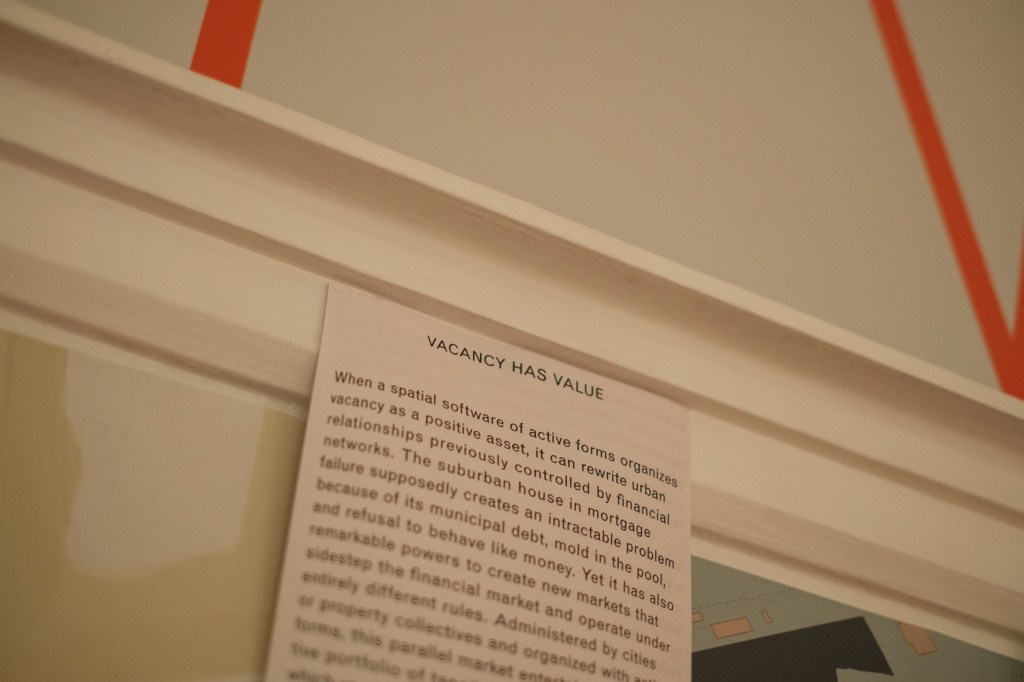
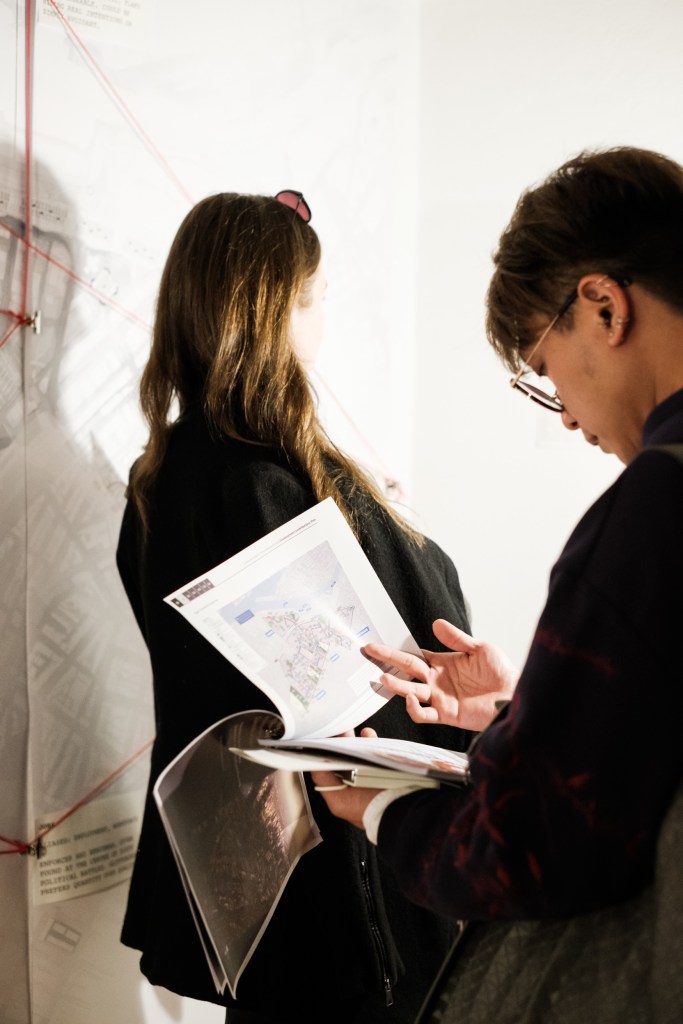
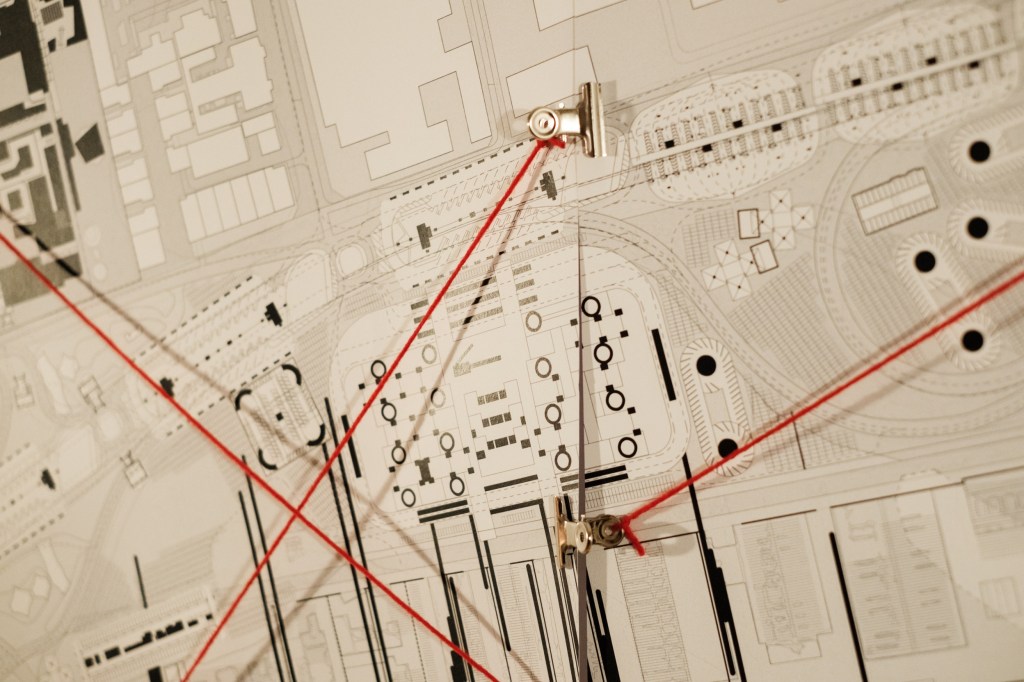
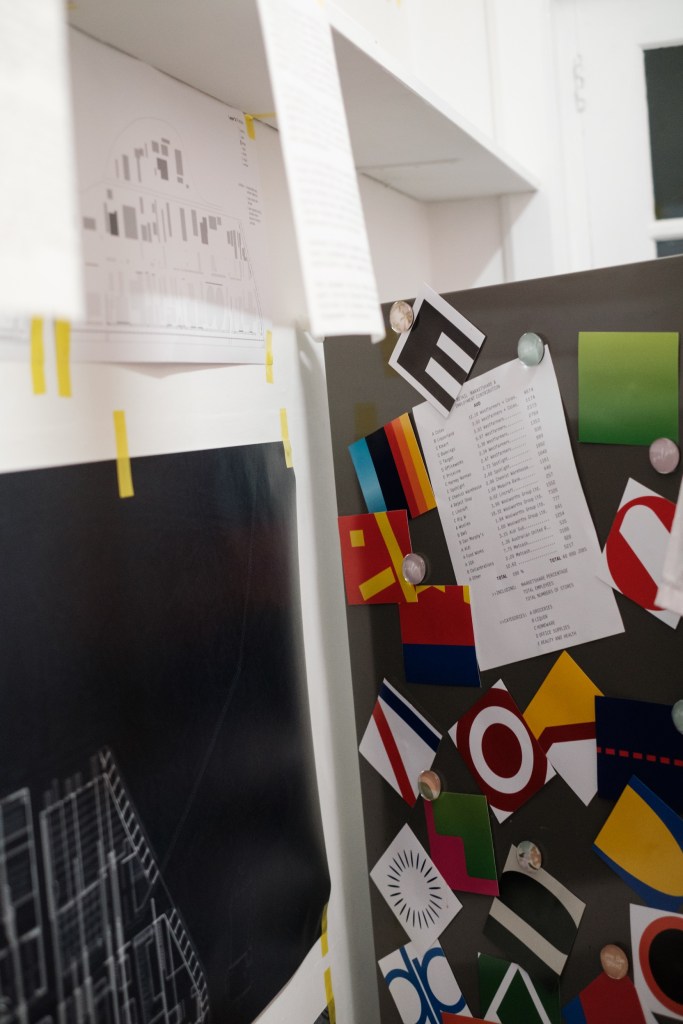
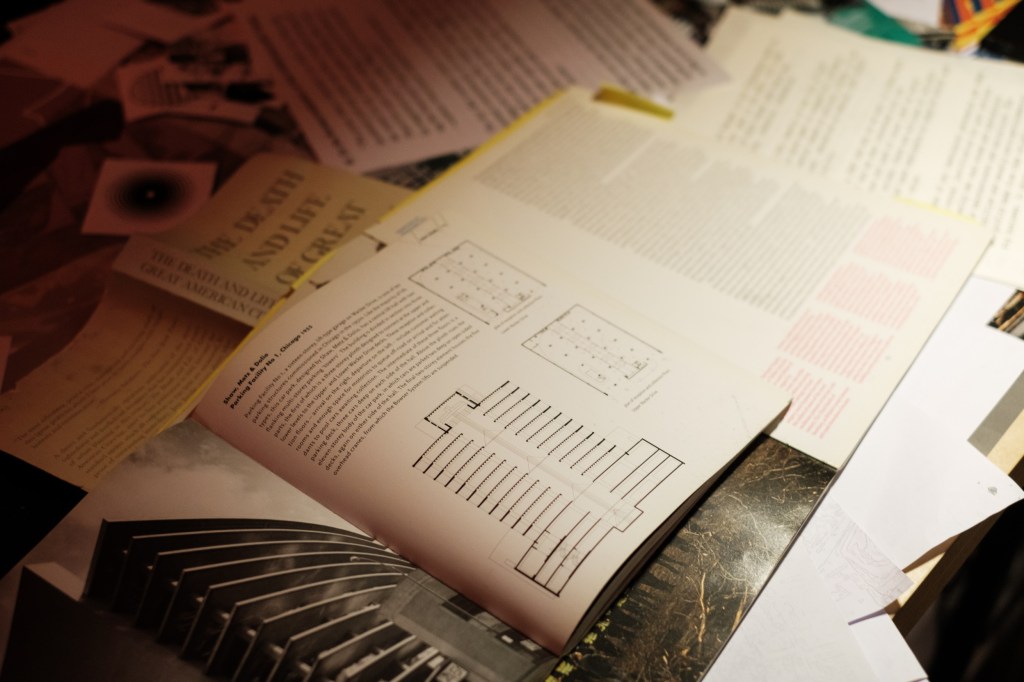
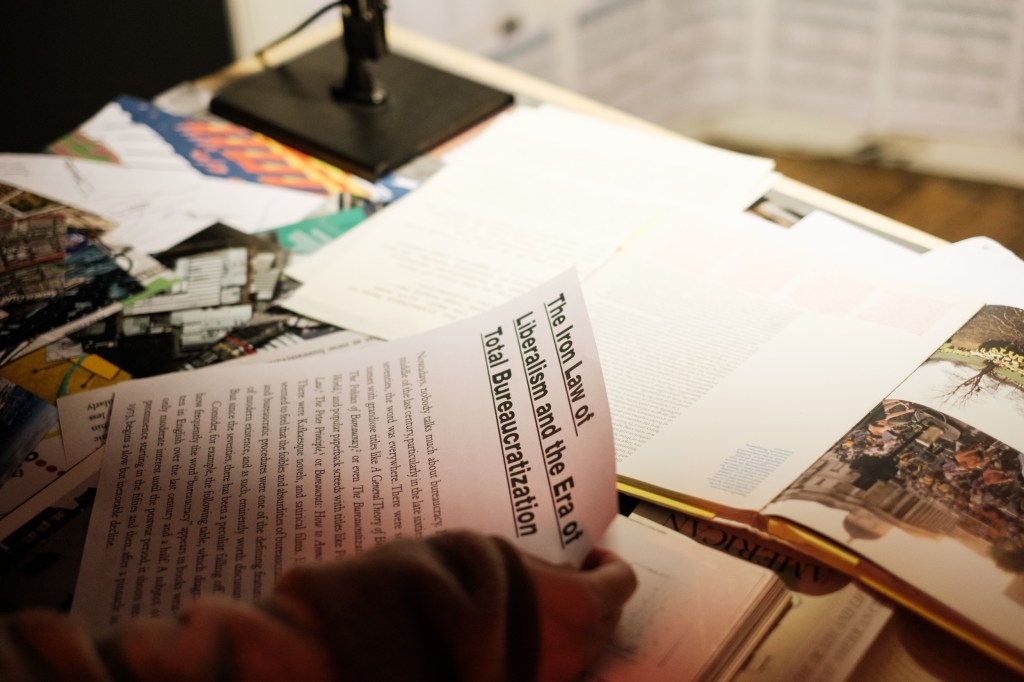
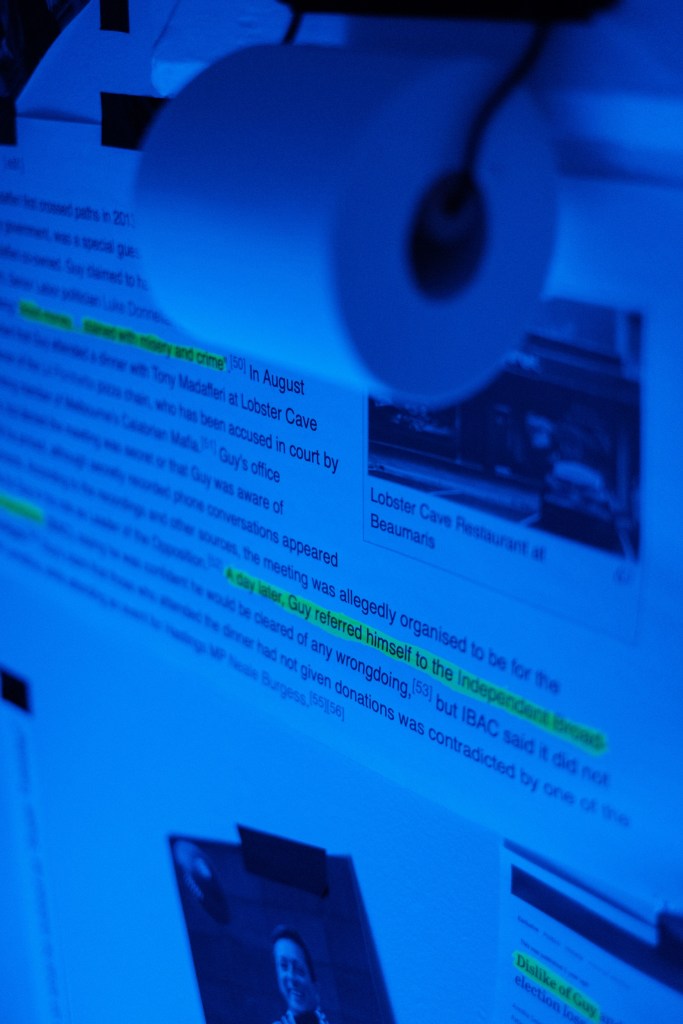
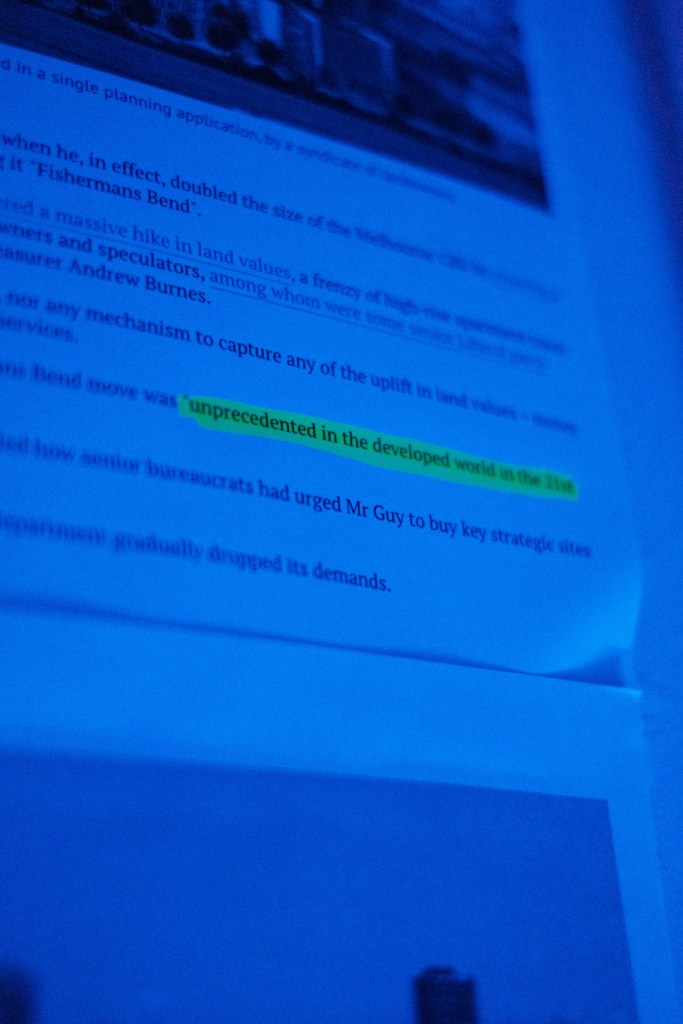
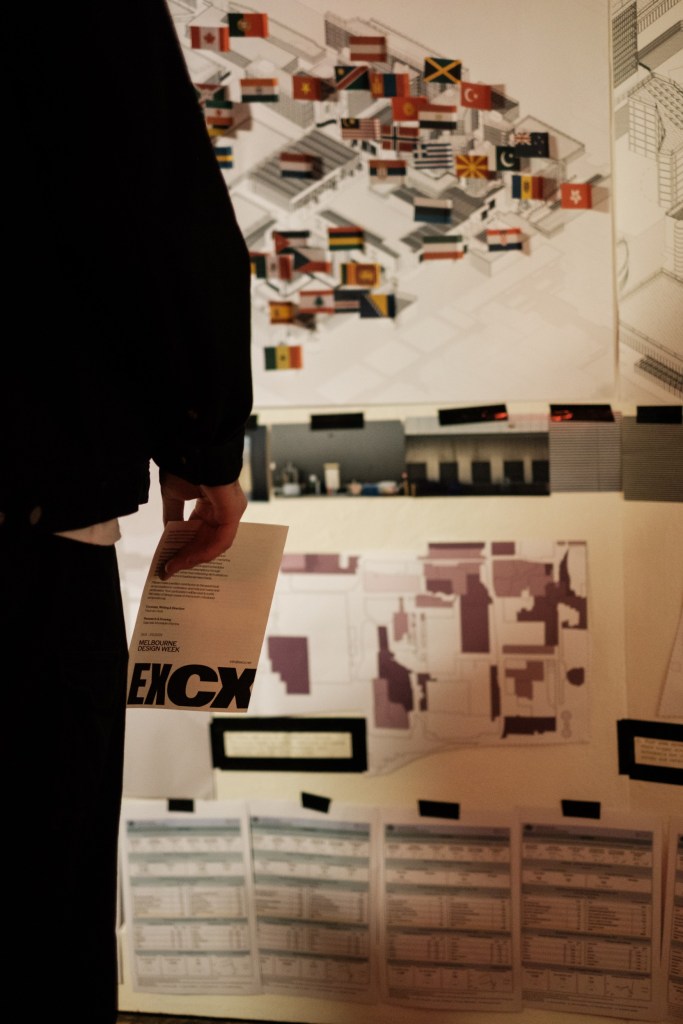
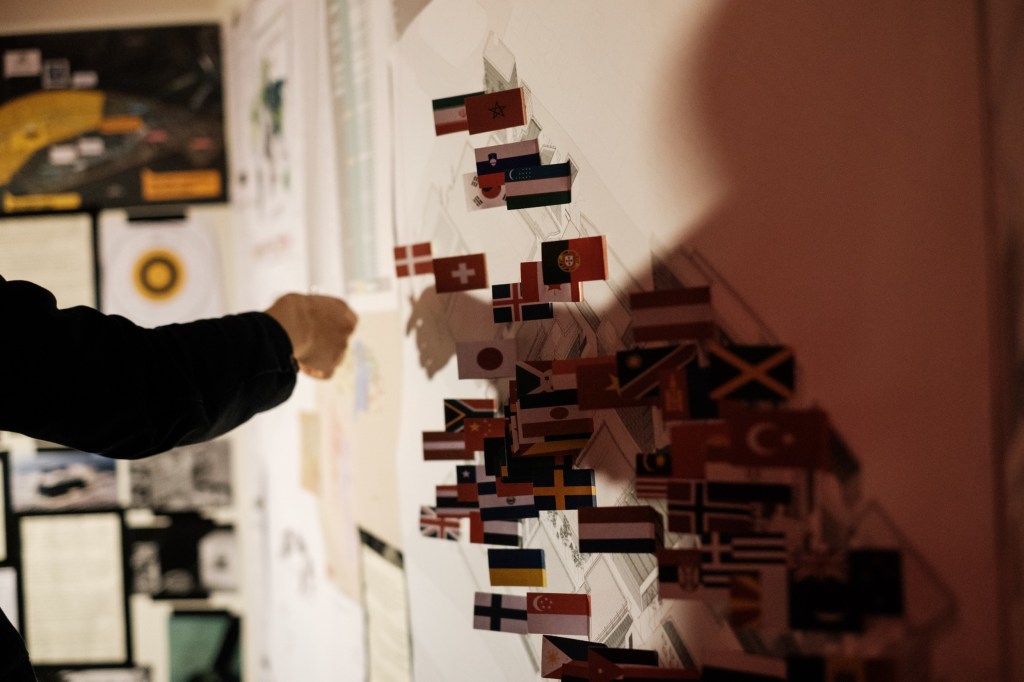
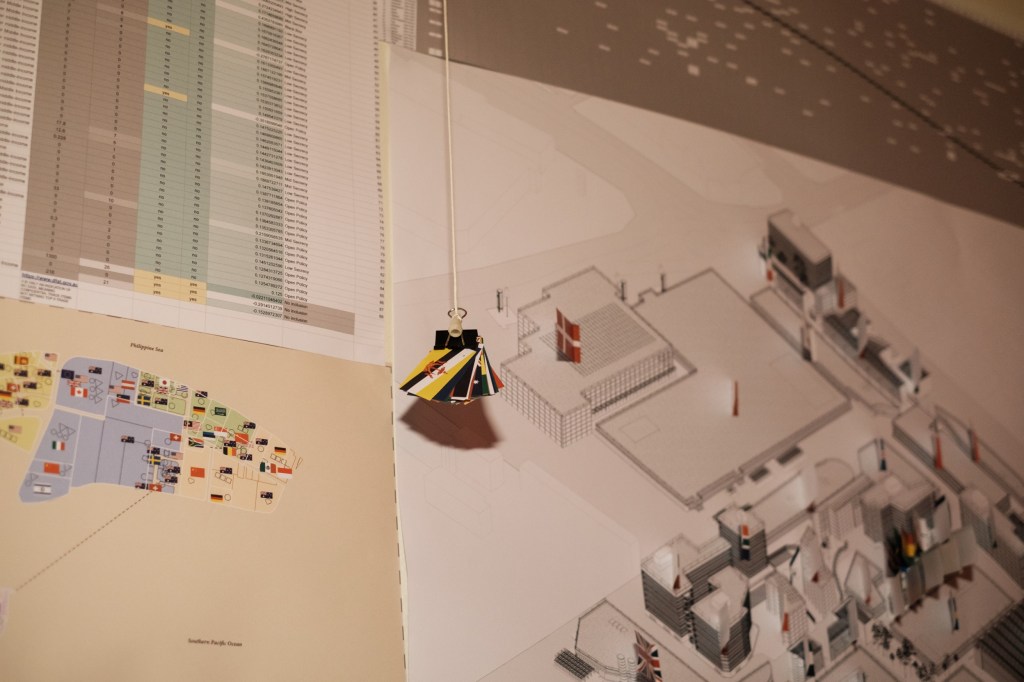
A case is built against each suspect using what is at hand: news clippings, site photography, tangential historical research, unhinged spreadsheets and speculative architectural drawings. Clues lead to suspicions lead to accusations that become propositions for what could happen next in Fishermans Bend if the economic logics and cultural myths at the heart of urban renewal are more clearly stated, instrumentalised and maximised.
Photos by Tope Adesina



























 DR PAUL VAN HERK