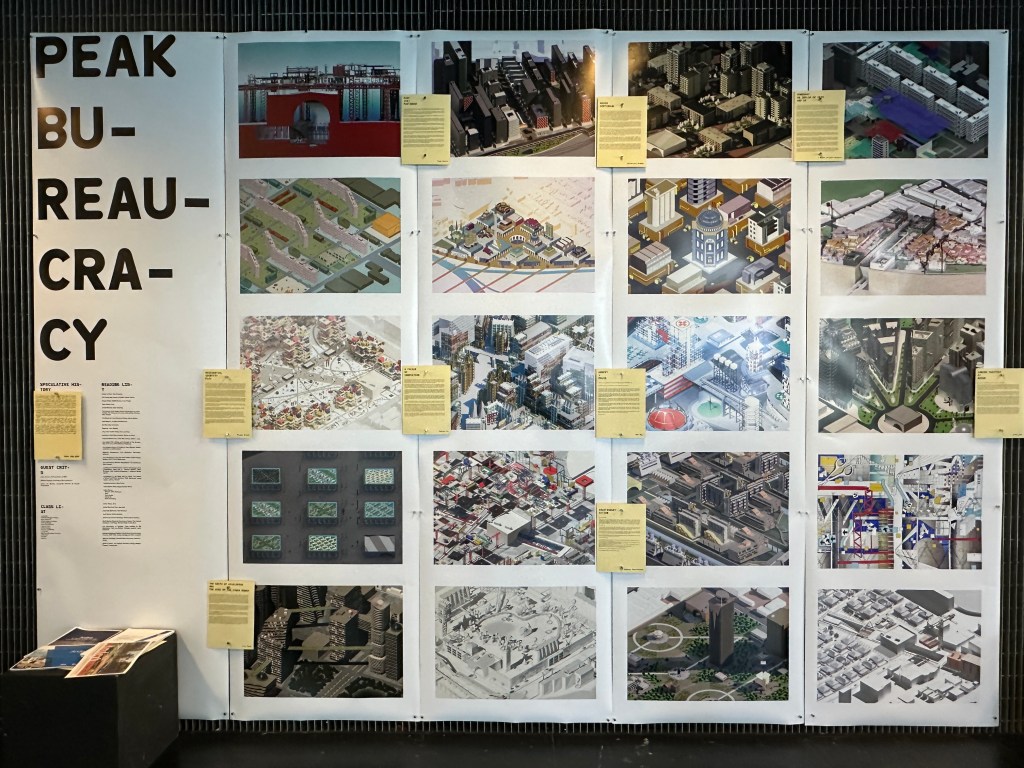
Peak Bureaucracy was a 2024 design studio in the Masters of Architecture program at RMIT University School of Architecture + Urban Design. It was the third studio in the Speculative History series.
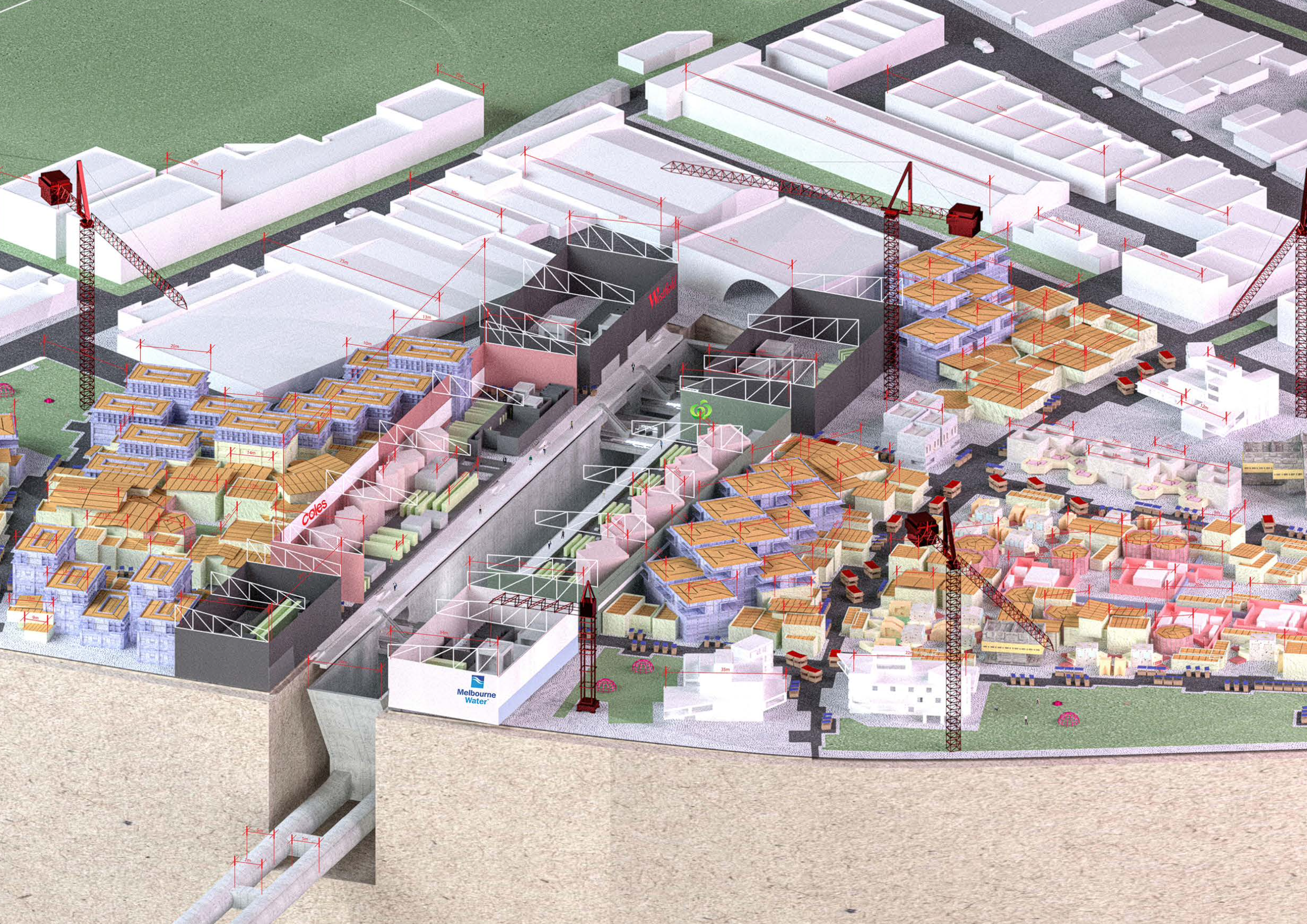
The studio brief involved the precinct design of Arden Central, a 14ha inner city precinct owned by Development Victoria, at the time being bid on by private consortiums of developers and architects. The studio began as a critical counterfactual of existing plans, artists impressions and press releases for Arden, whose new train station is complete but the site still sits empty. Conceptually the criticism is founded on David Graeber’s definition of bureaucracy not as government impingement on the activities of the private sector, but as the ever more intertwining collusion between the two, leading to absurd outcomes and unstated ideologies.
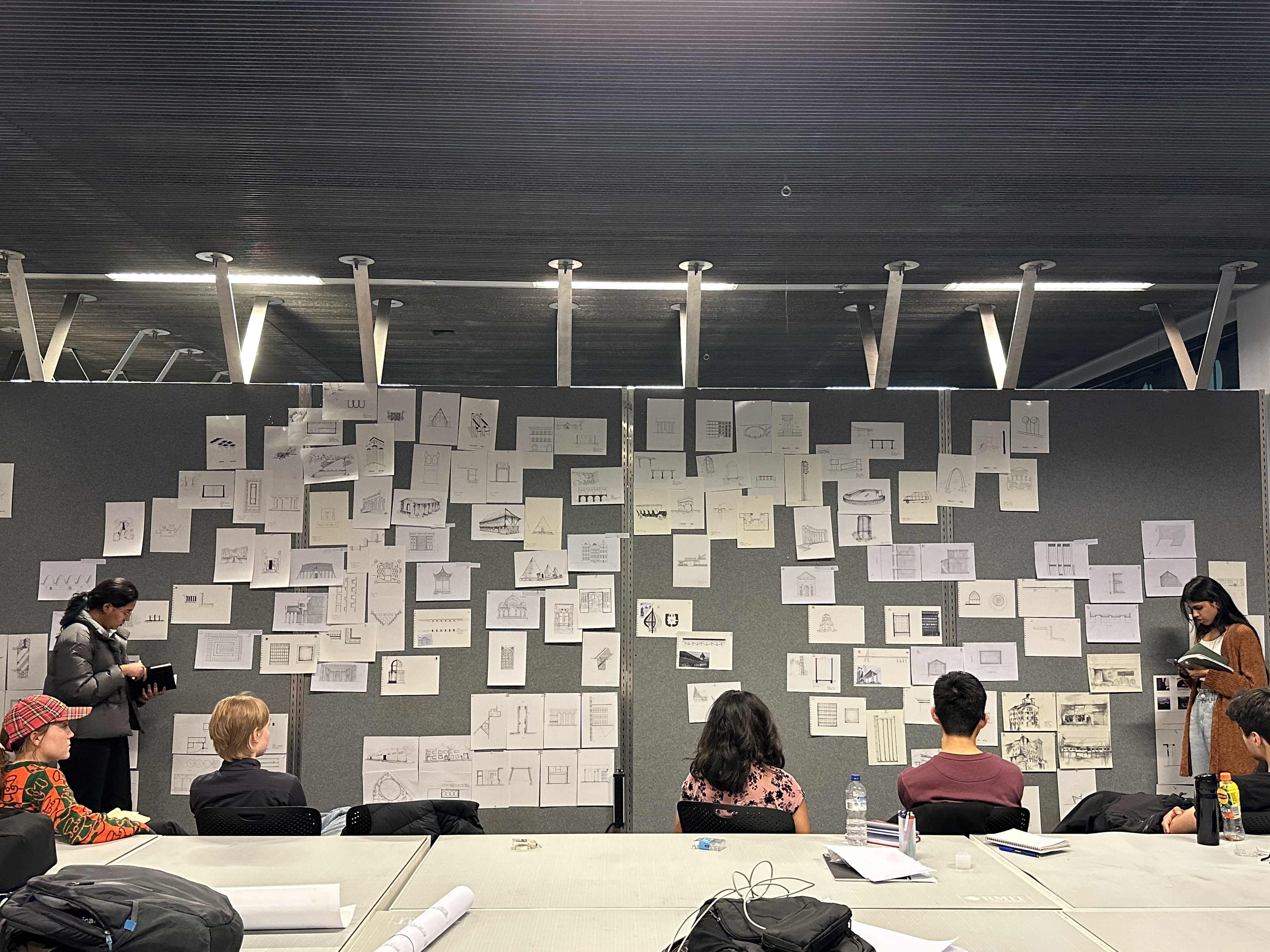
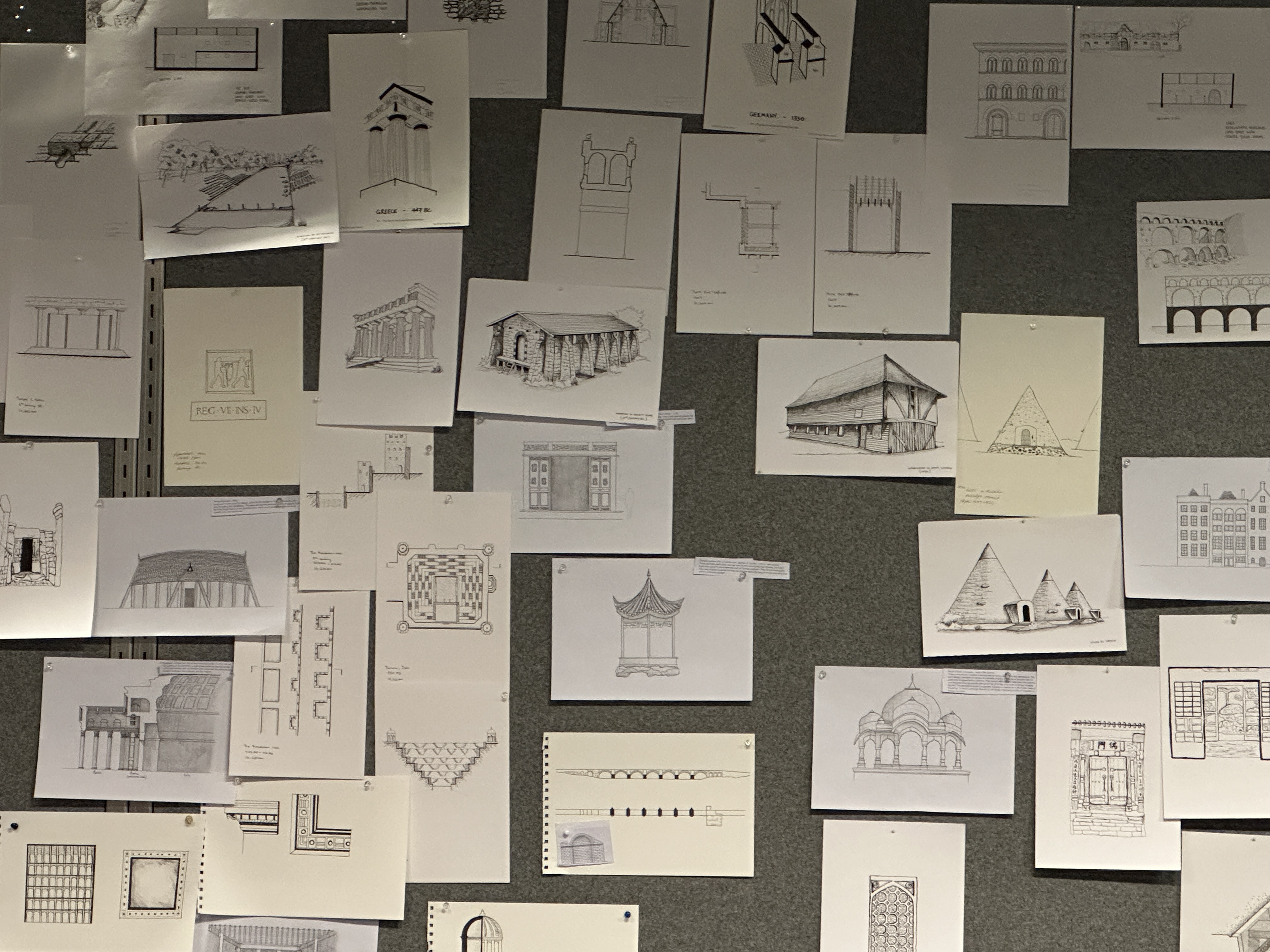
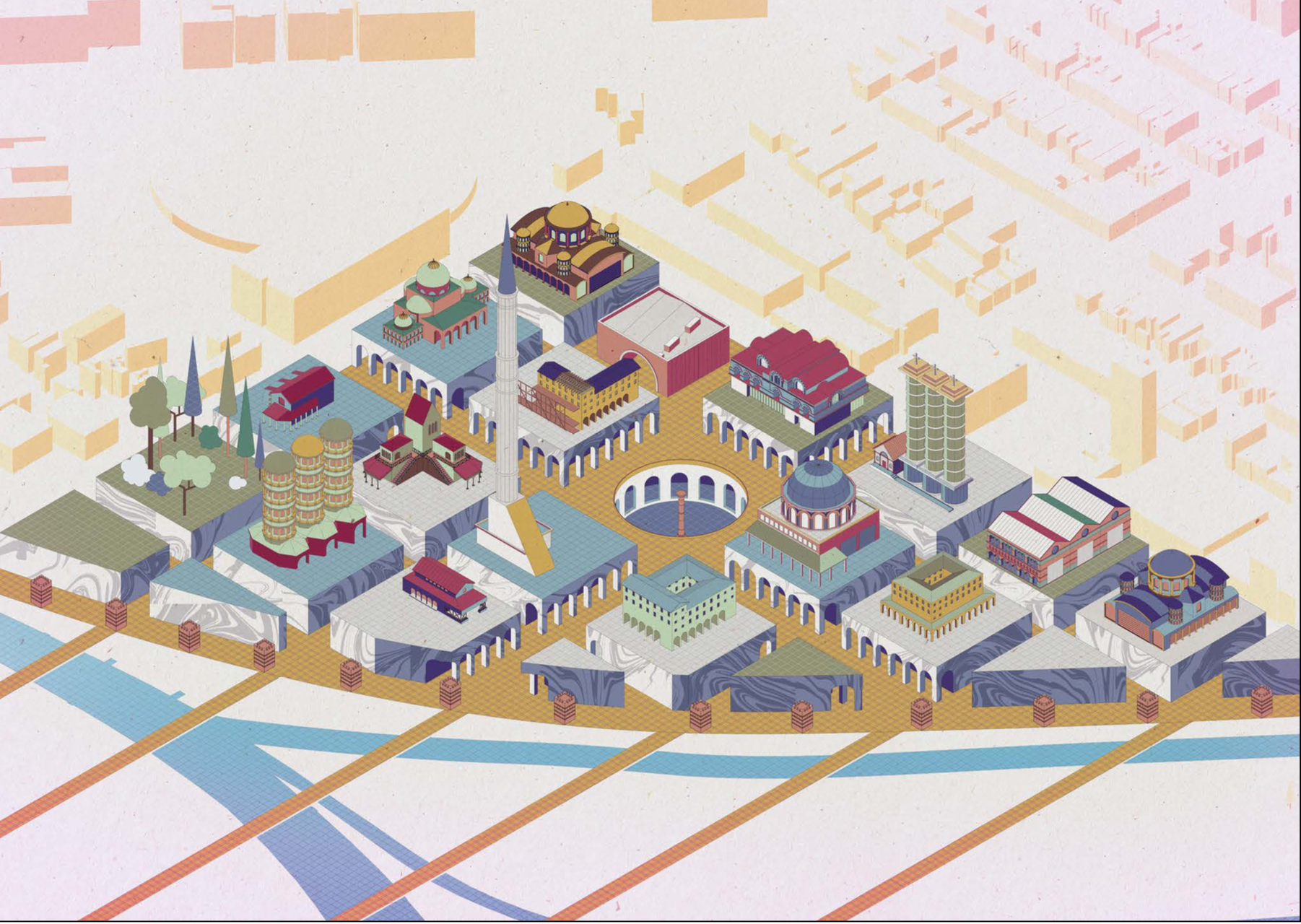
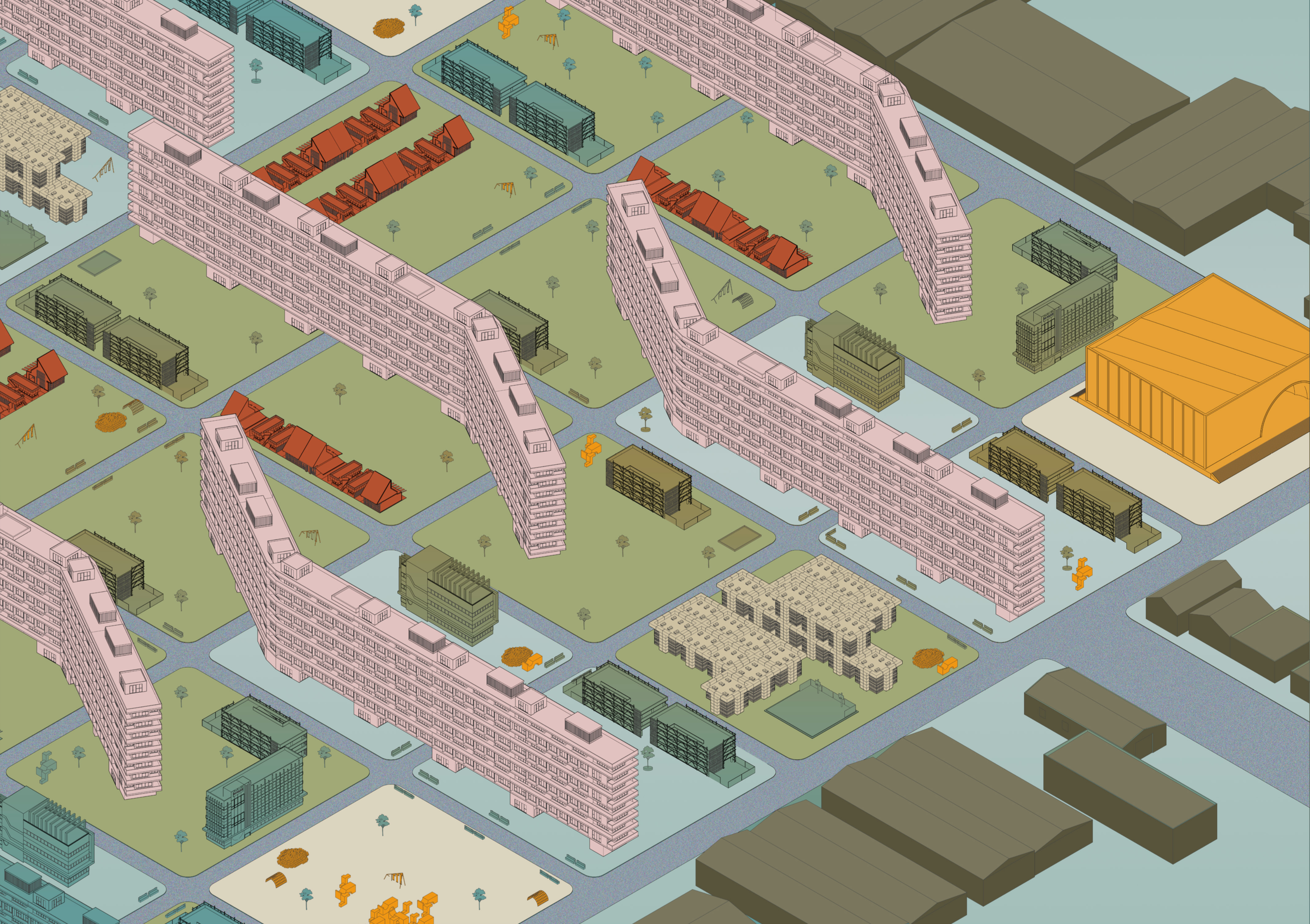
The studio began with generative architectural surveys of ‘peak’ bureaucracies throughout history that made buildings, precincts and cities without outsourcing to a powerful mercantile sector. The studio looked at 1100s Byzantinium, 1800s Prussian and US postal services, 1950s Krushchevka/Plattenbau housing in the Soviet sphere, and 1970s GAO civic architecture in NSW. These historical precedents were synthesised with avant-garde drawing projects such as Archizoom’s No-Stop City and John Hejduk’s Masques to produce imaginative and megalomaniacal visions for the large Arden site around the new station.
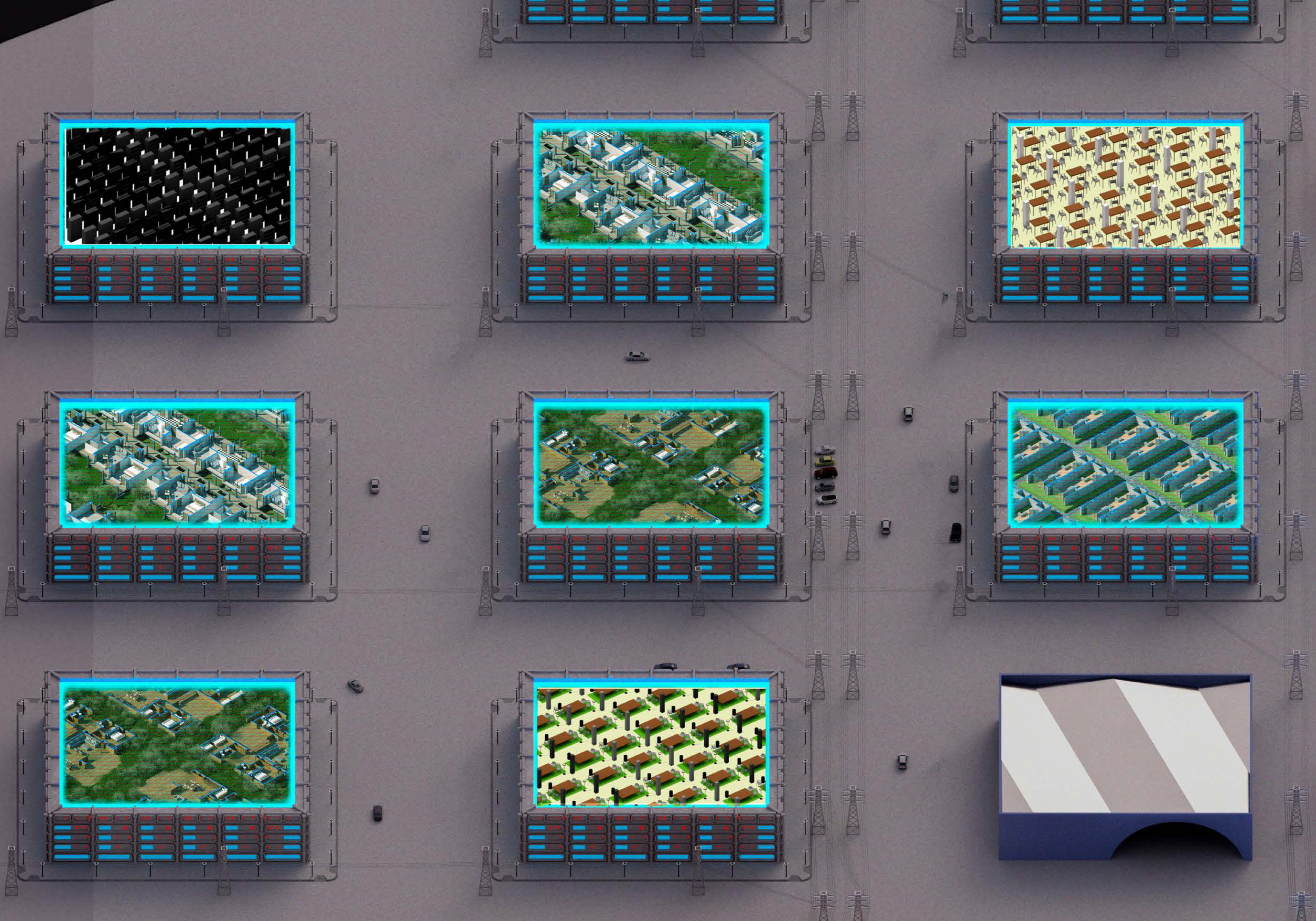
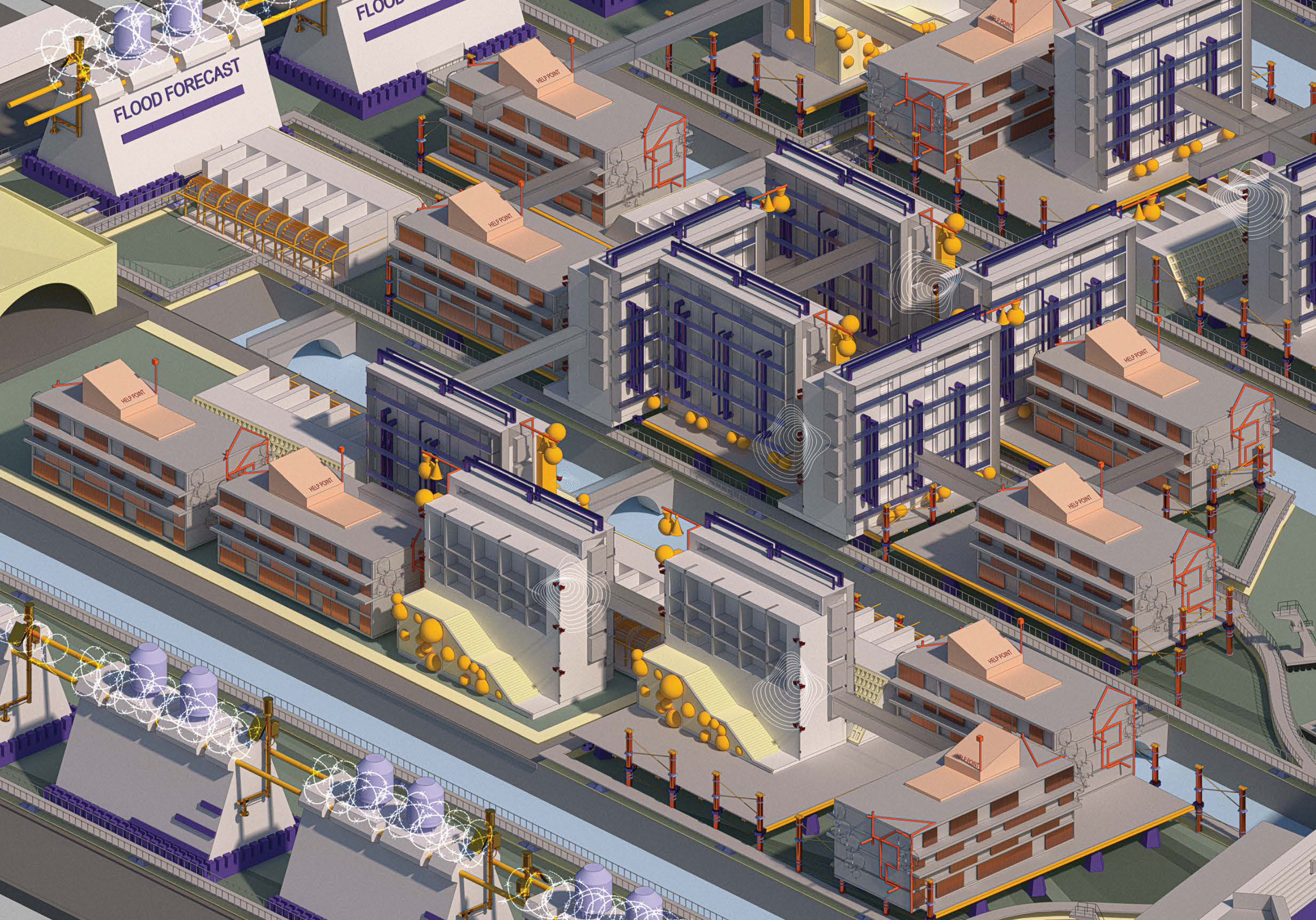
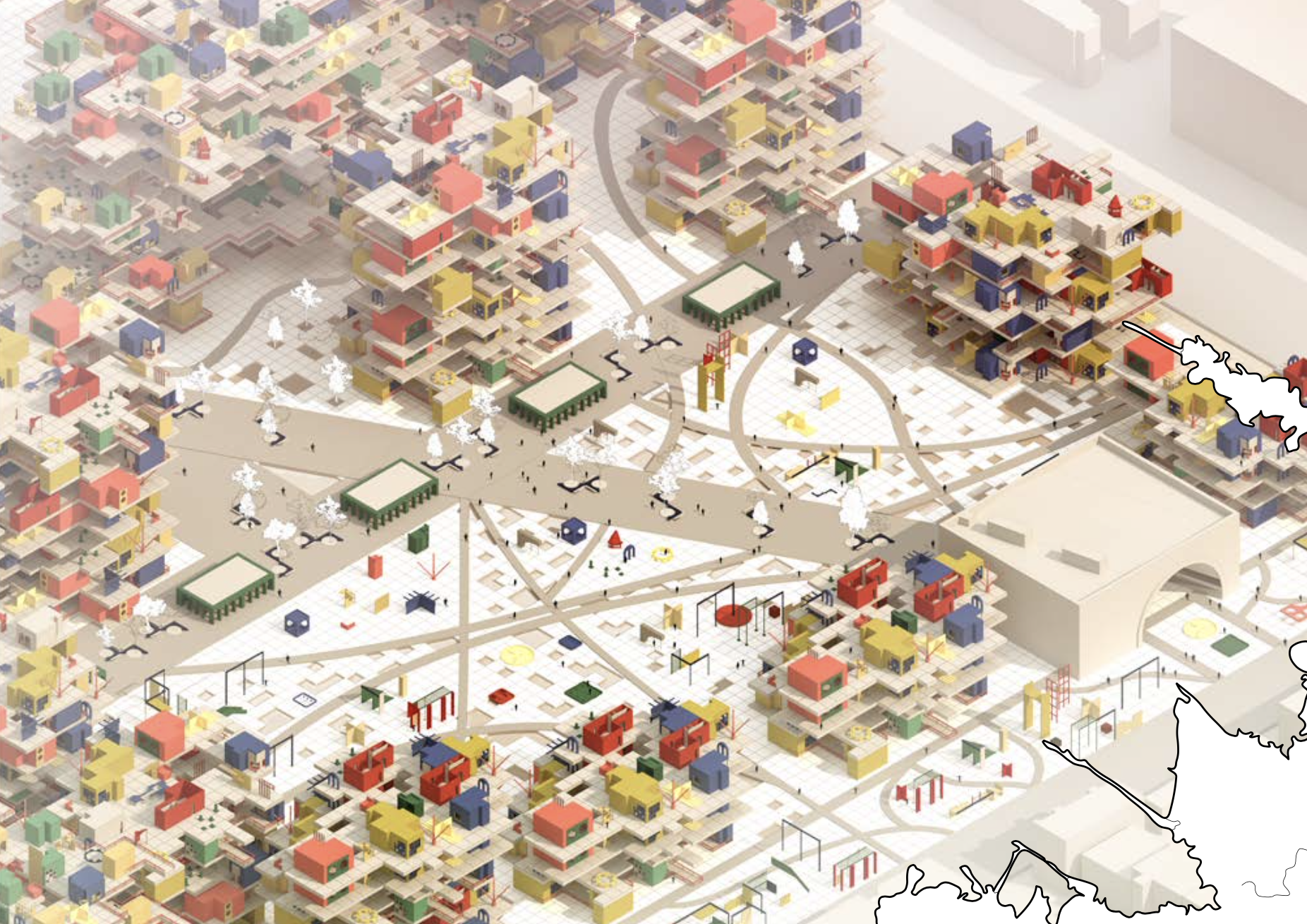
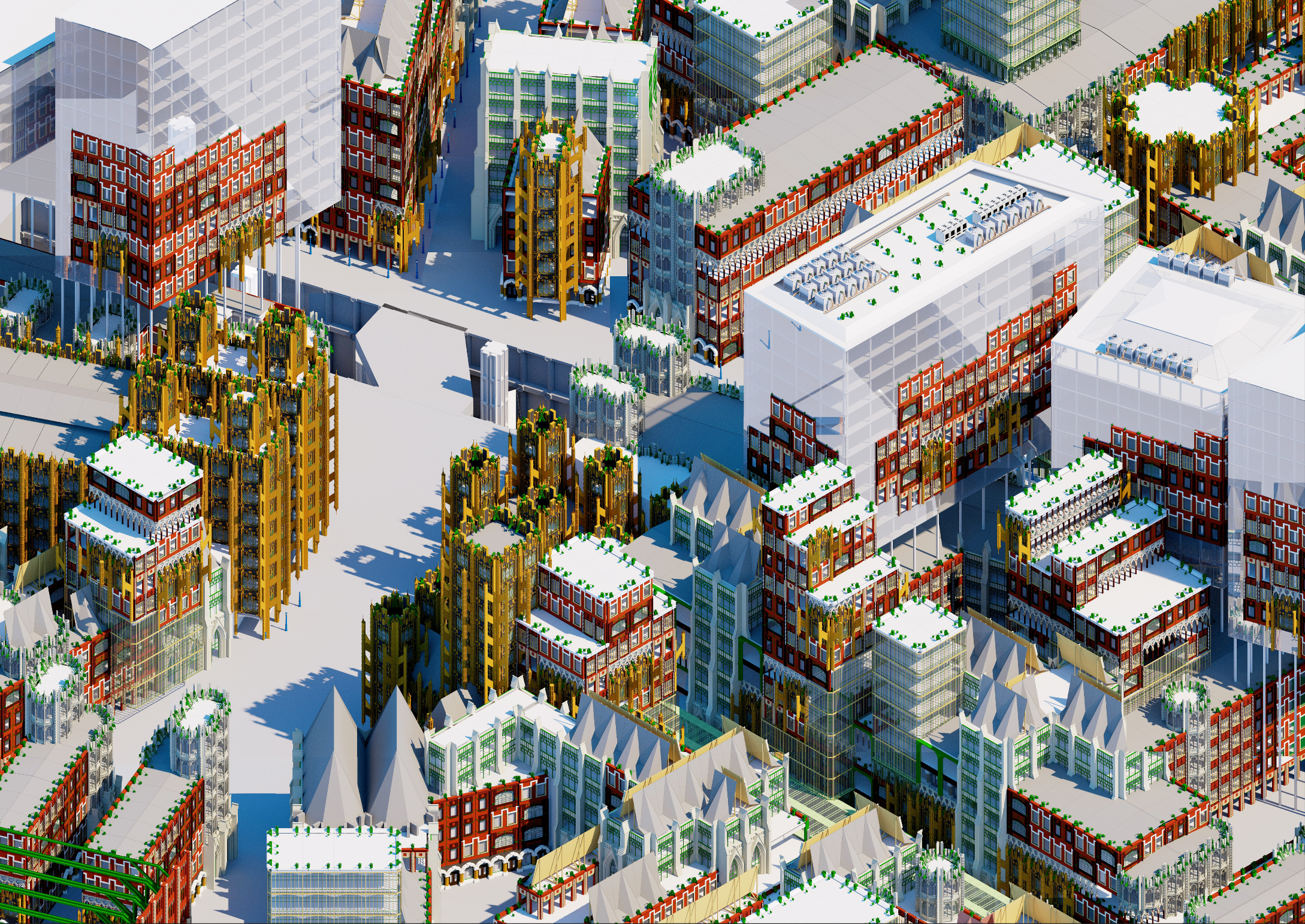
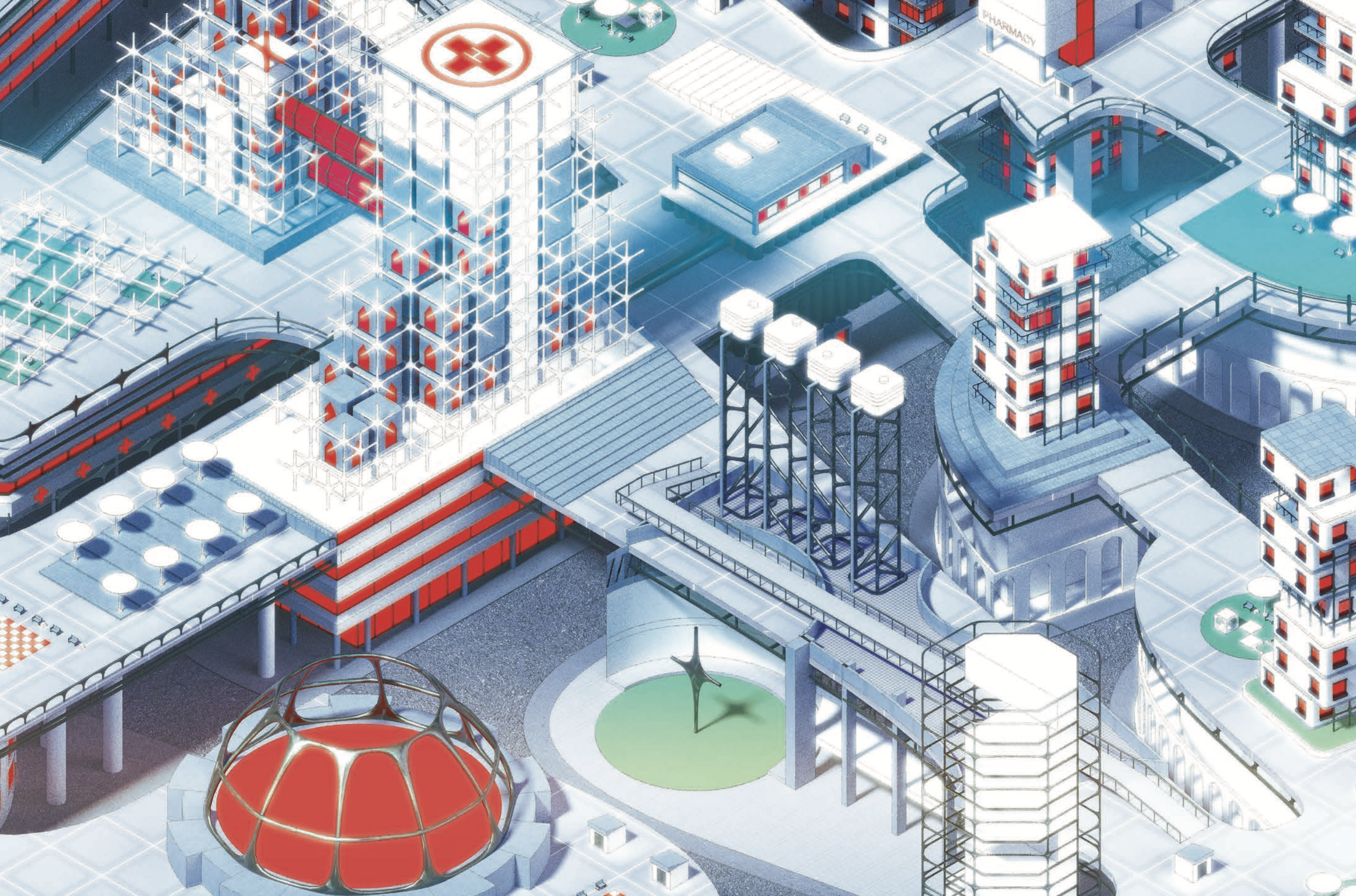
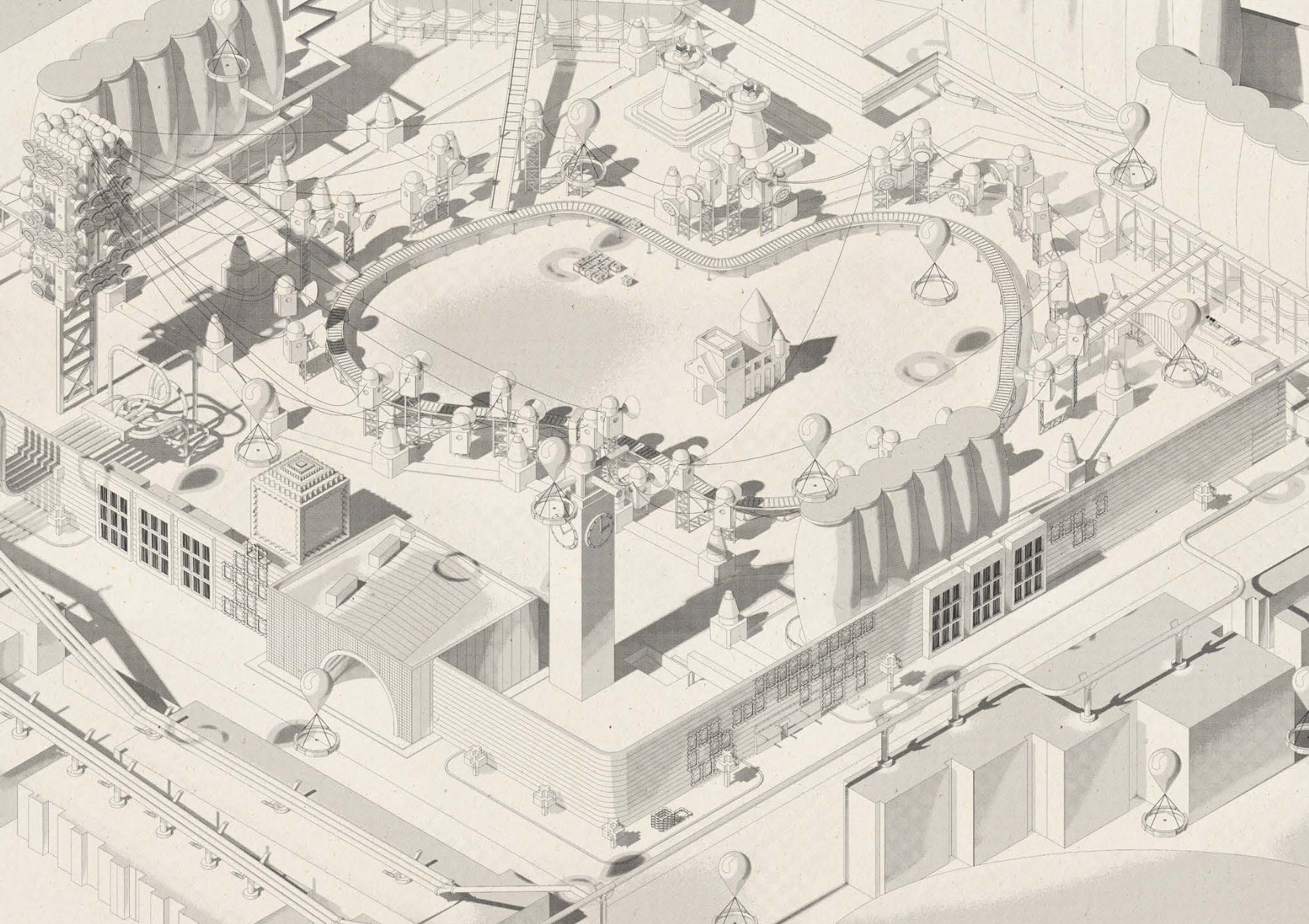
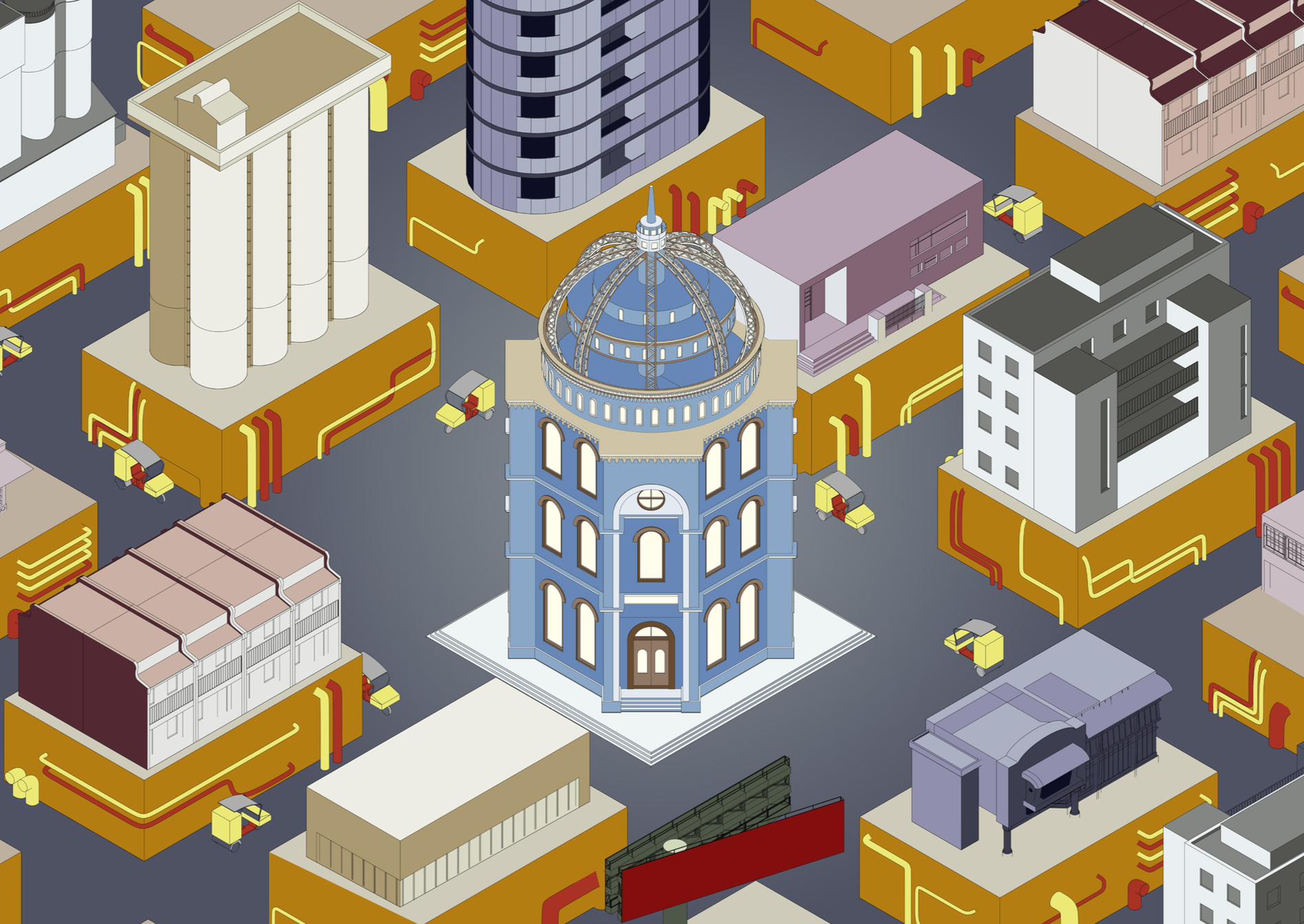
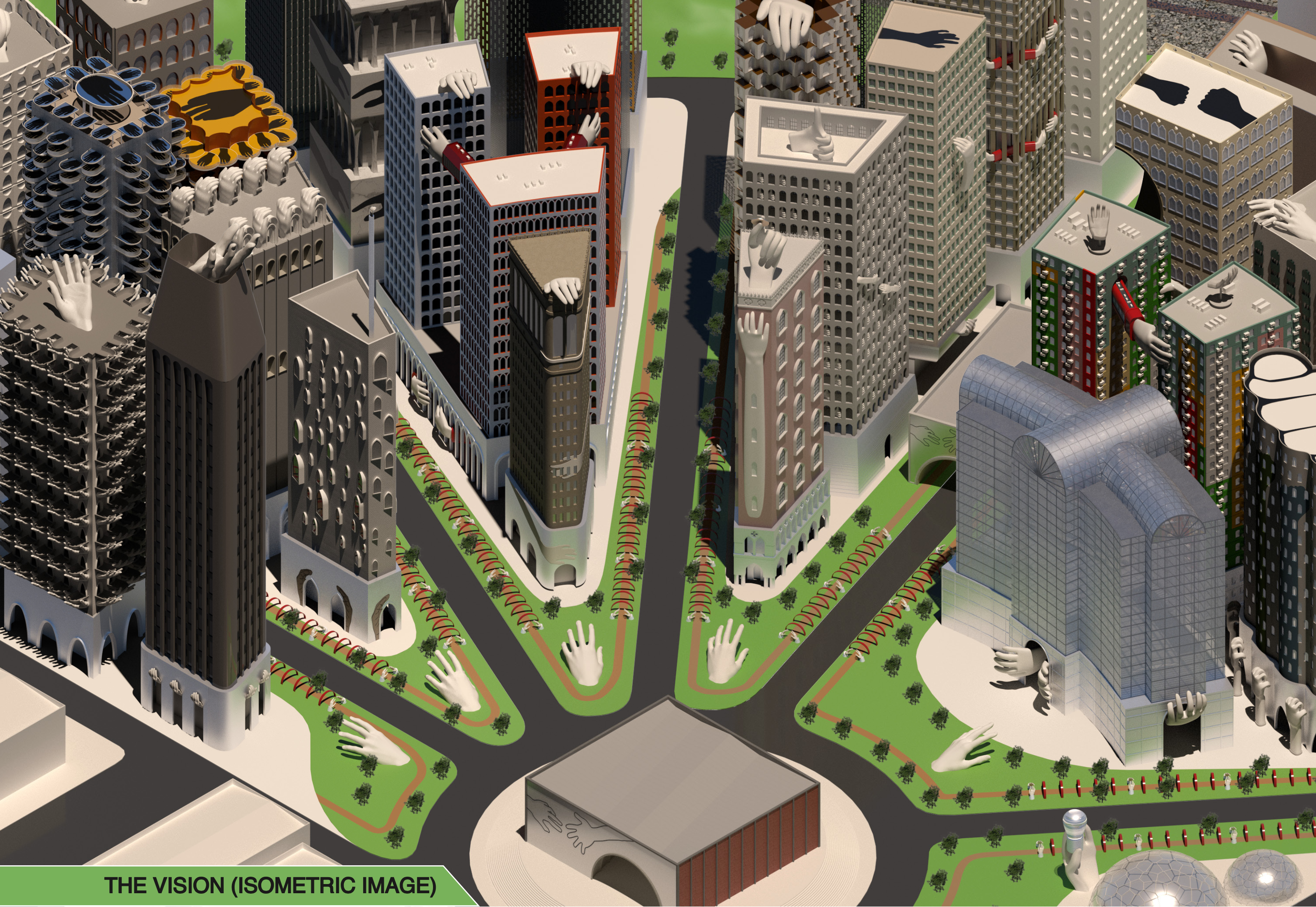
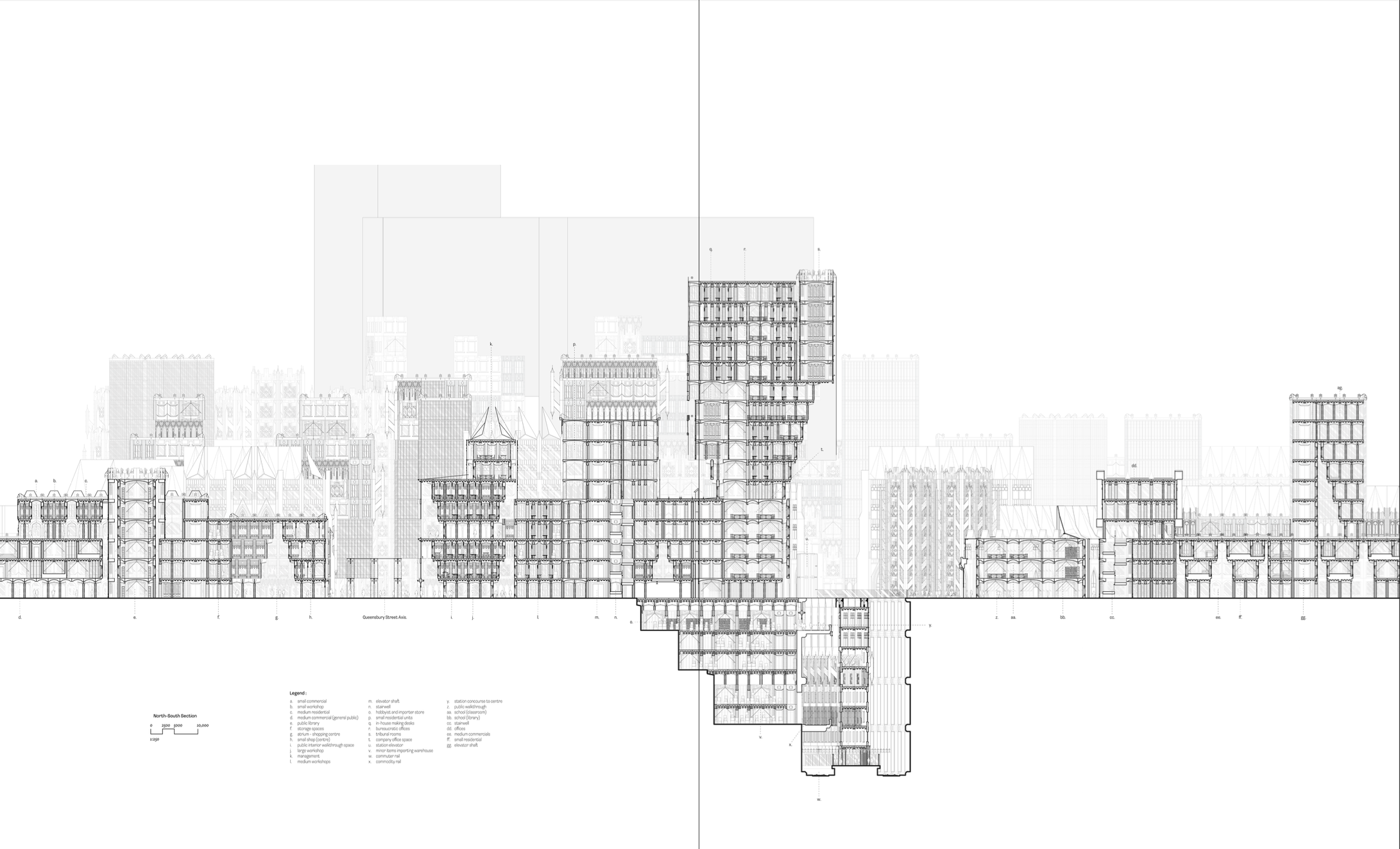
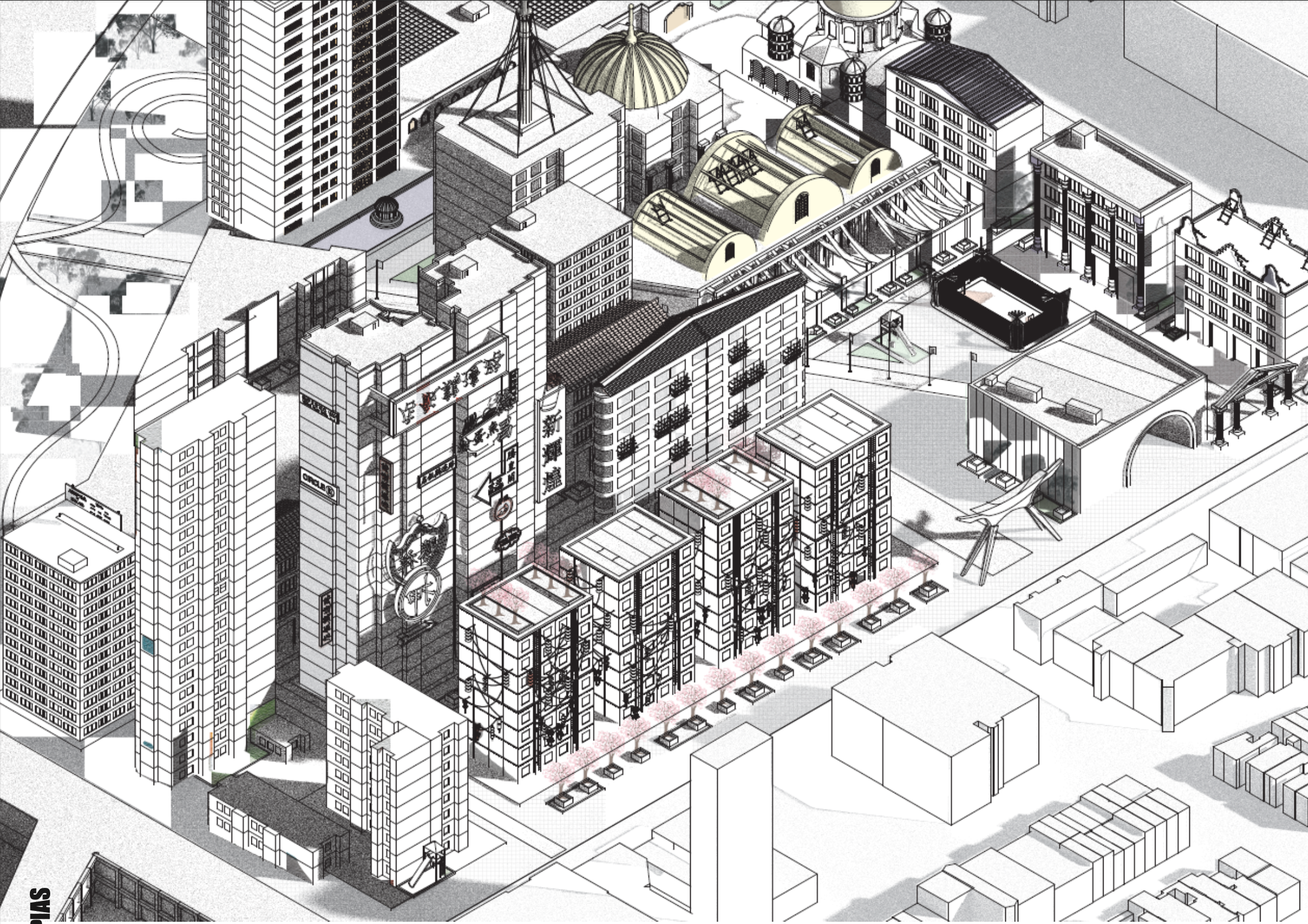
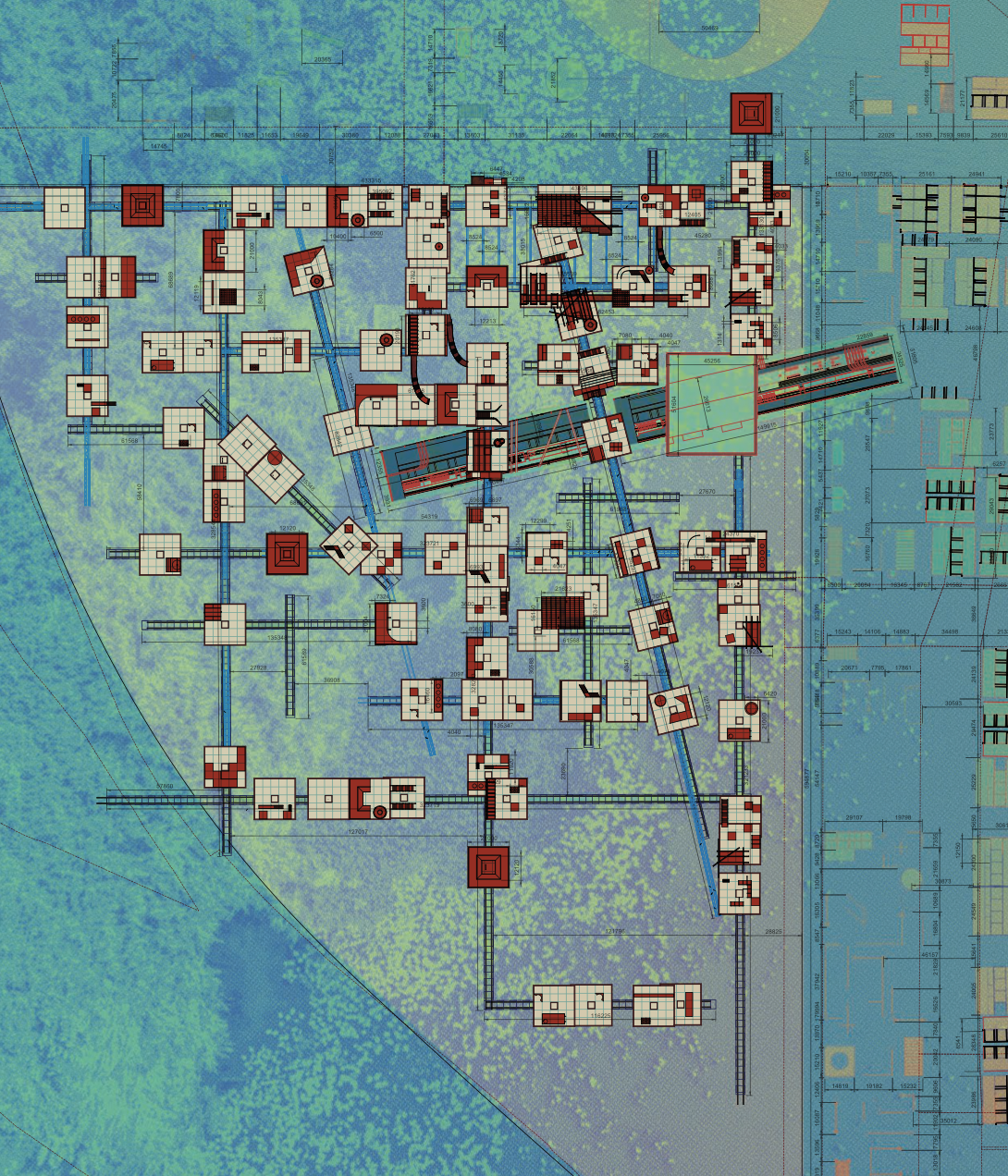
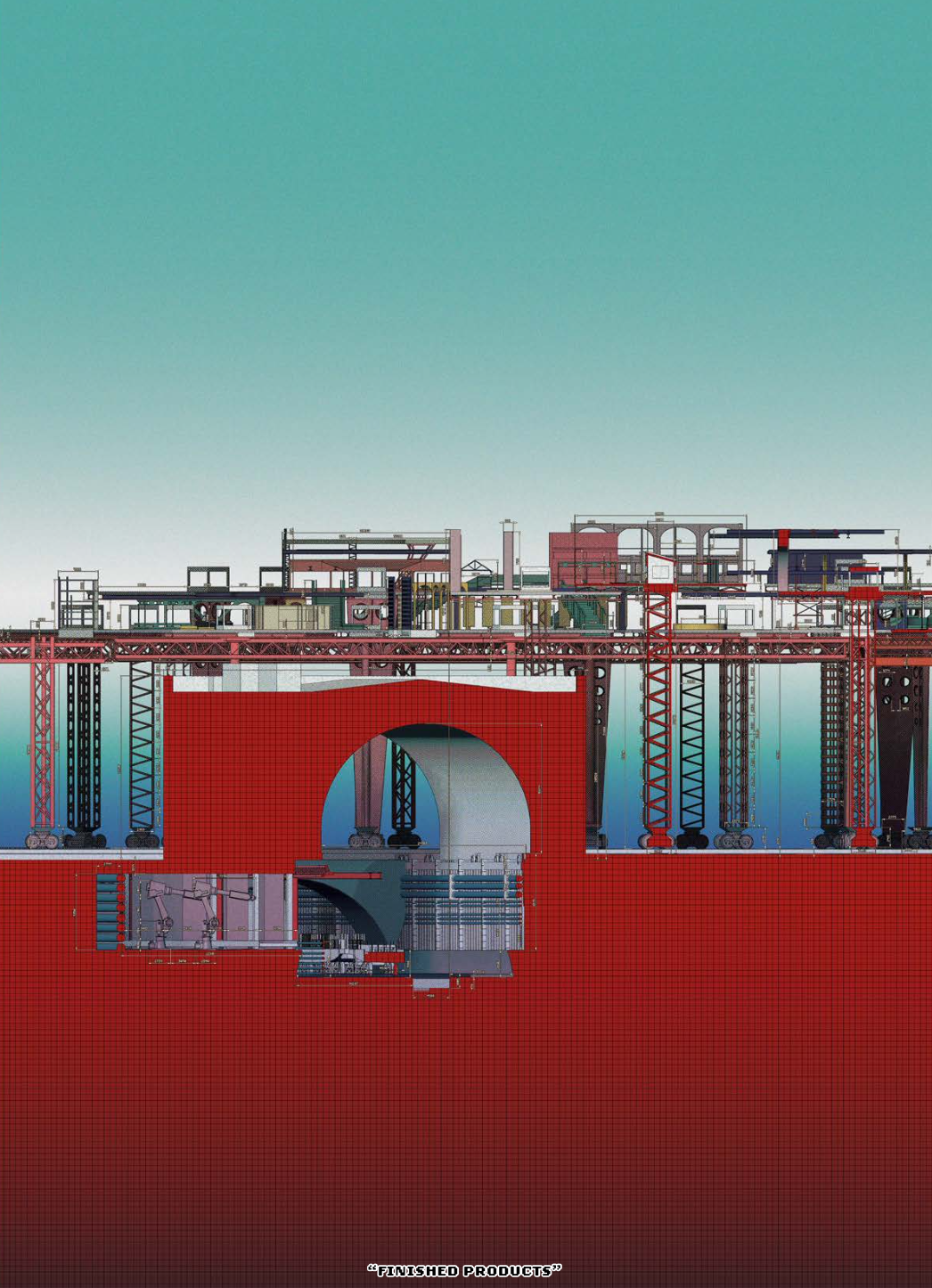
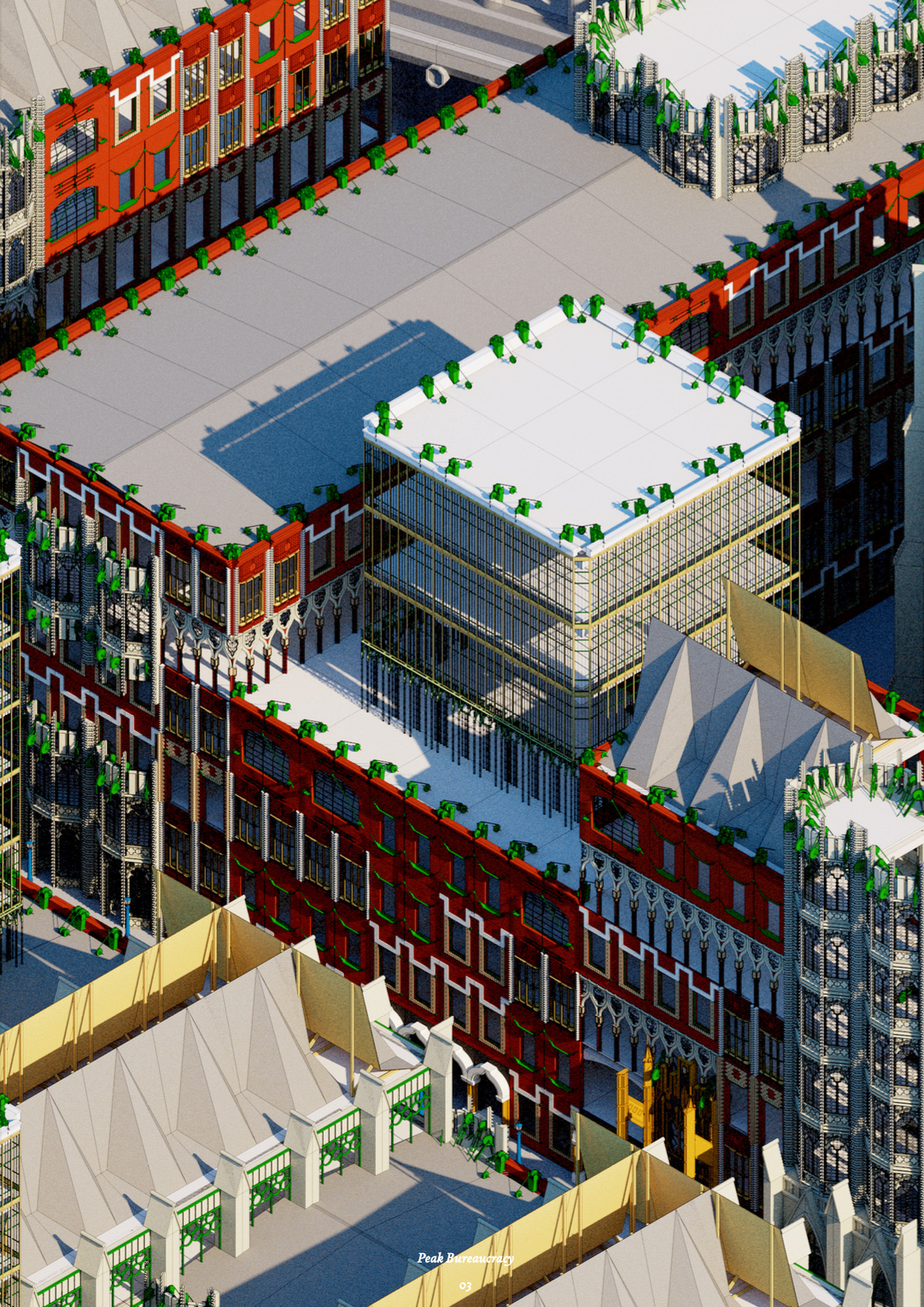
Aerial isometrics were the main drawing format of the studio, used to test precinct-scale urban compositions as building envelopes, logistical and transport systems, signage regimes, theatrical characters, programmatic impositions. Each project displayed here contains a specific critique of contemporary bureaucracy and its manifestations at Arden, by proposing a heterotopic spatial alternative that tests and accelerates observed features of bureaucracy to make it ‘peak’.
Student work shown is by:
- Jude Danta
- Lasanya Jayathilake
- Calvin Lo
- Thomas Grech
- Han Ngo
- Stella Northeast
- Hema Pare
- Vaishnavi Prabhu
- Lukas Zhu


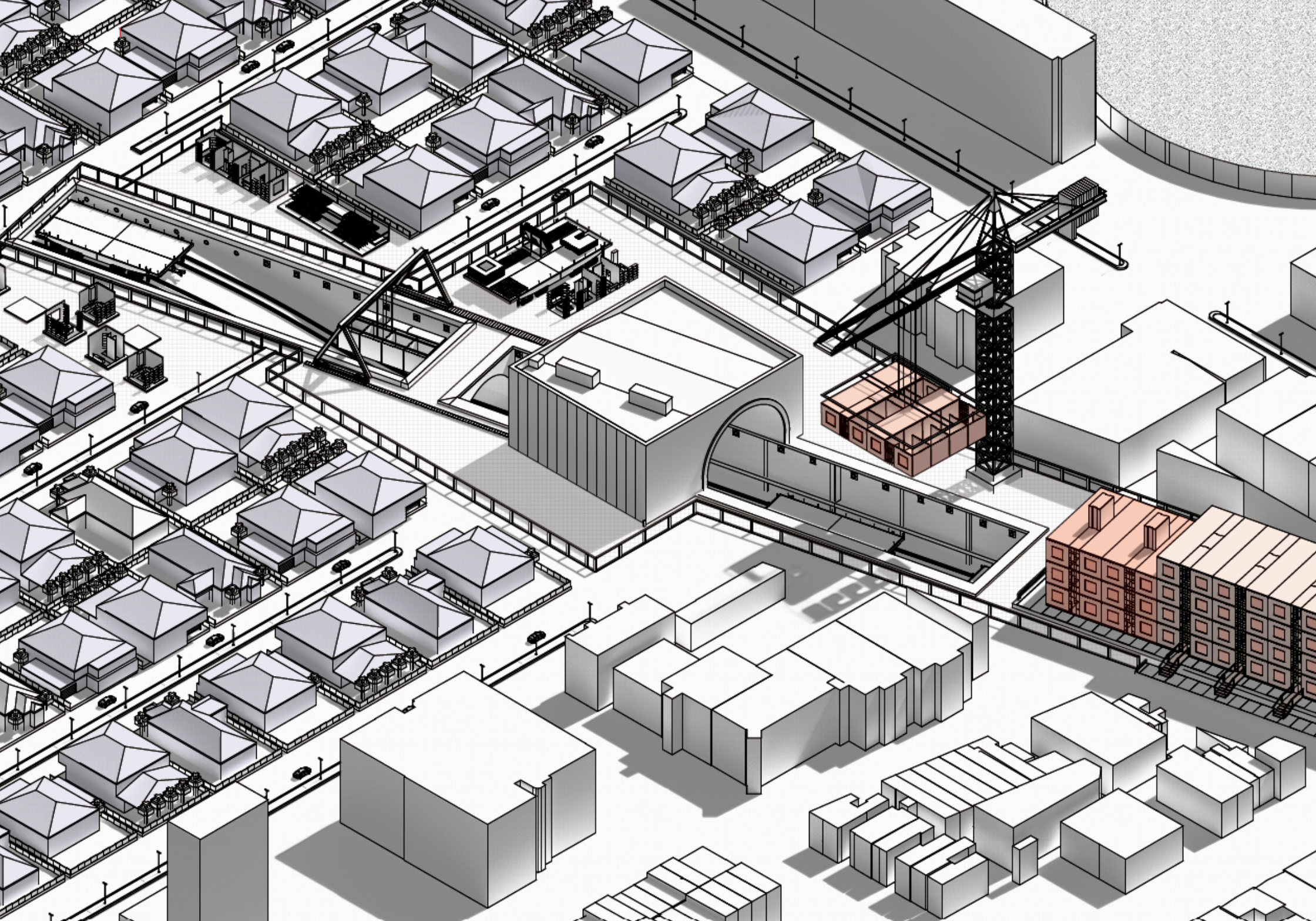
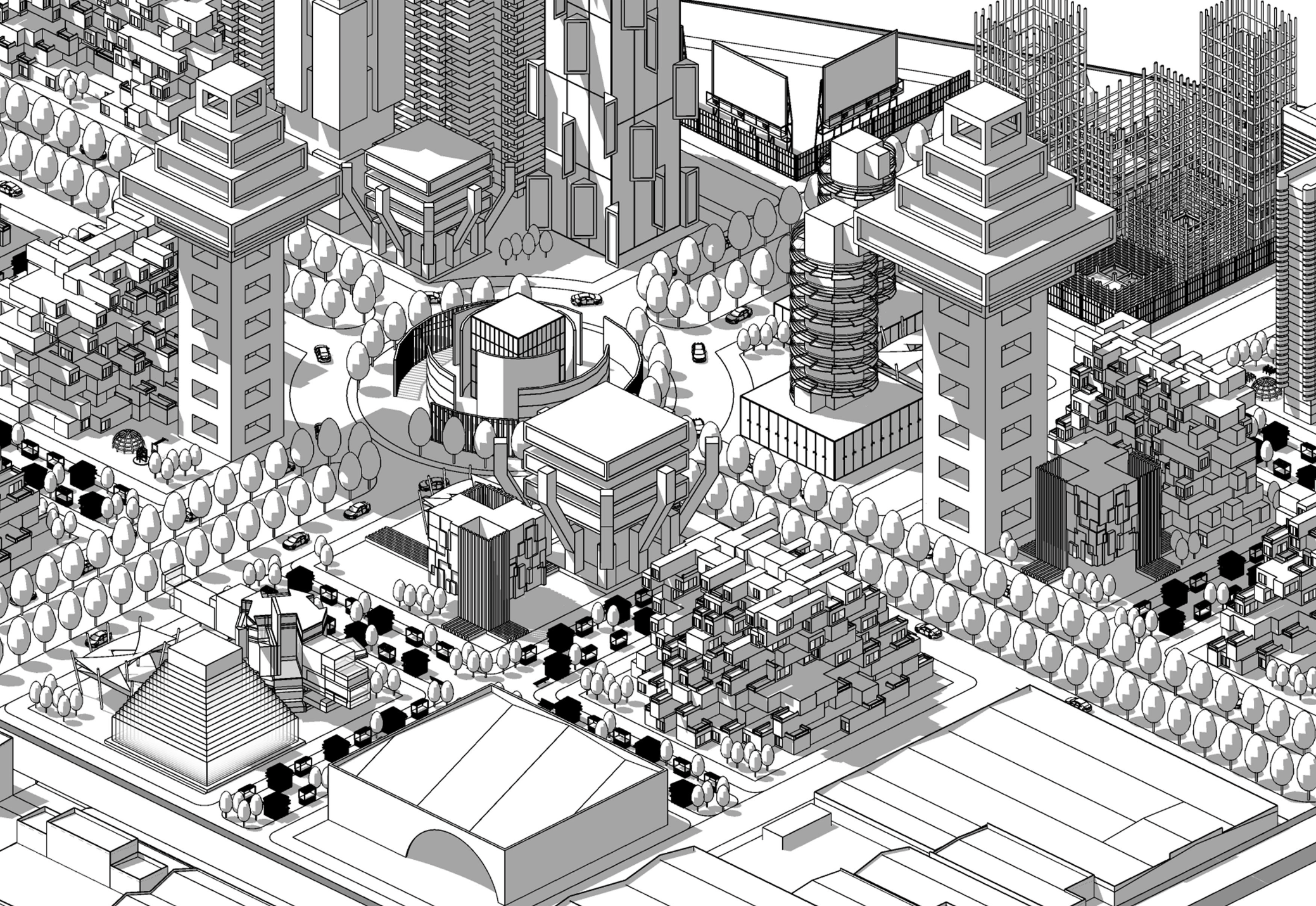
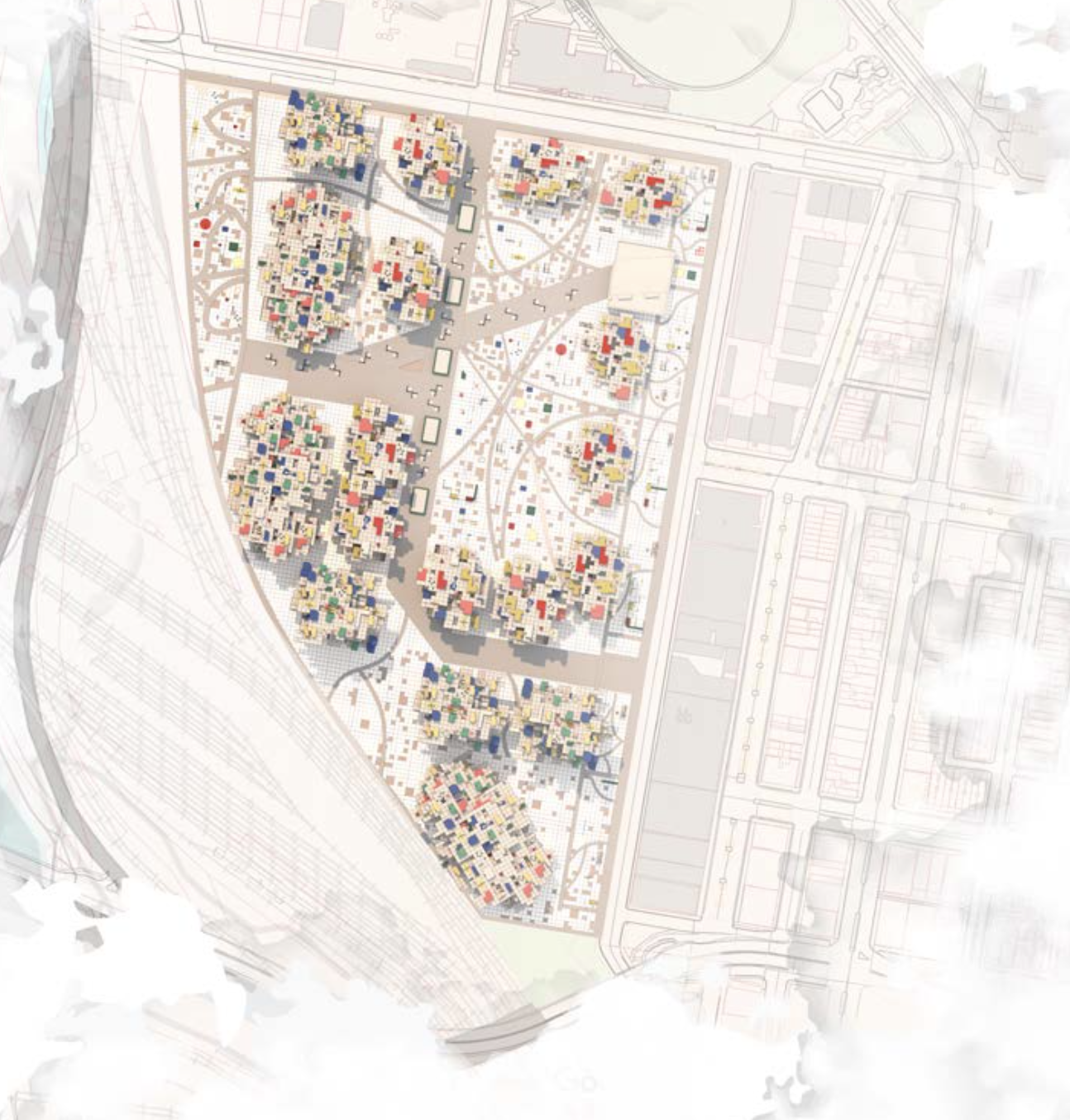
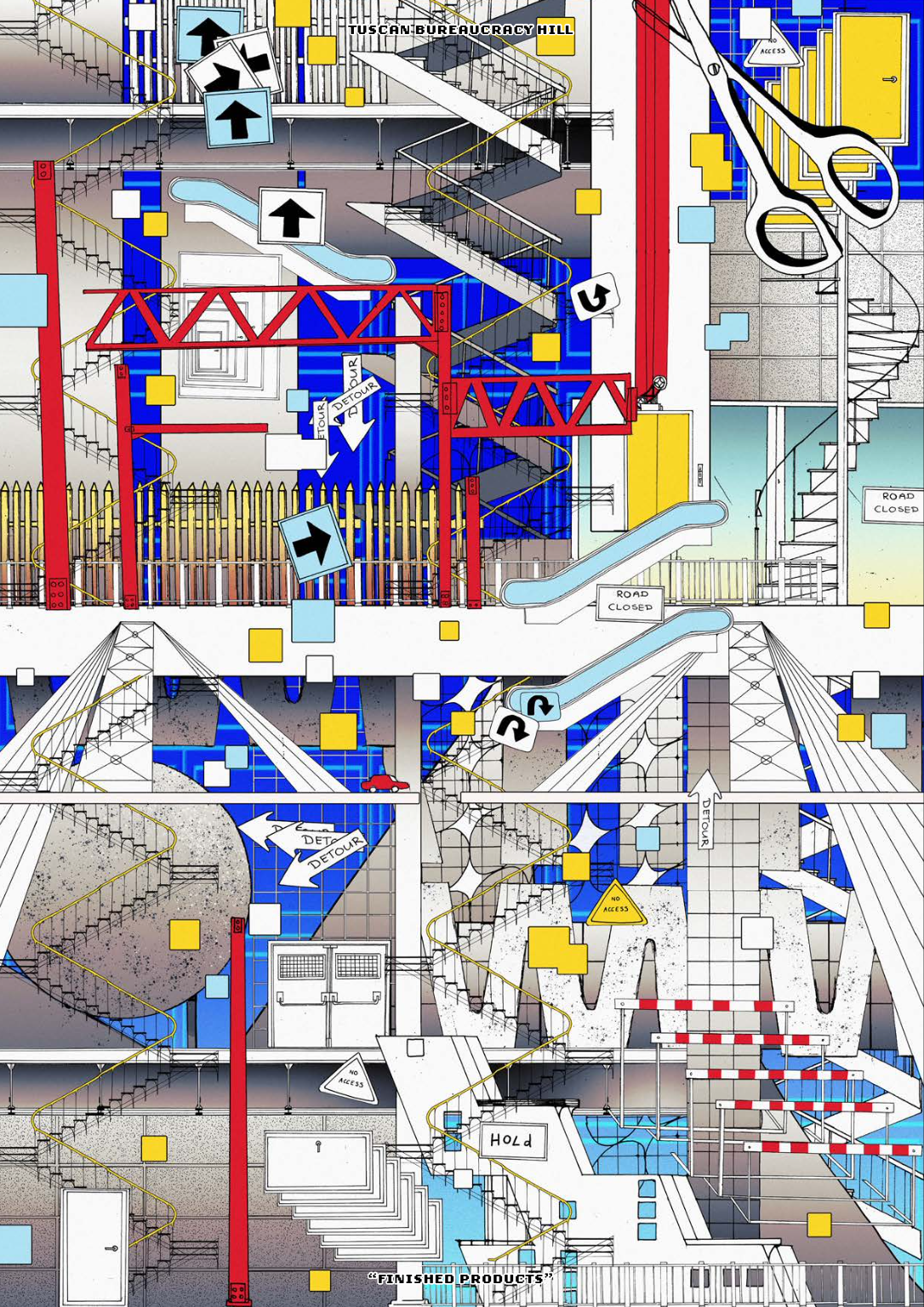
Readings:
- Easterling, K, 2014. Extrastatecraft: The power of infrastructure space. Verso, 2014
Introduction pp11-23 - Graeber, D, 2015. The Utopia of Rules: On technology, stupidity and the secret joys of bureaucracy. Penguin, 2015
Introduction
Otto von Bismarck and the German Post Office
- de Graaf, . Four Walls and a Roof: The complex nature of a simple profession. Harvard University Press, 2017.
6. Architektur ohne Eigenschaften - Forty, A, 2000. Words and Buildings, Thames & Hudson, 2000
History (pp196-205)
Type (pp304-311)
- Koolhaas, R, 1994. Delirious New York. Monacelli, 1994
The skyscraper theorists pp110-131
- Sarkis, H, 2020. The world as an architectural project, MIT Press, 2020
Archizoom – No-stop City
John Hejduk – Masques
Rem Koolhaas – City of the Captive Globe
Constant Nieuwenhuys – New Babylon
Aldo Rossi – Teatro del Mundo
Superstudio – Atti Fundamentale
Epilogue – Five Wishes - Fernandez Abascal, G (ed.) 2022. Regional Bureaucracy. Perimeter Editions, 2022
- Martin, G. D. Heterotopias Zine. Seven editions 2017 – 2020.
- Sitch, Cilauro (dir.), 2017. Utopia. Season 3, Episode 6. “Snouts In The Trough”
https://iview.abc.net.au/show/utopia/series/3/video/CO1511V006S00
 PAUL VAN HERK